
Make sure you understand the basic concepts and formulae before getting into the questions. If you have any concerns, leave a comment.
Single-loop circuits
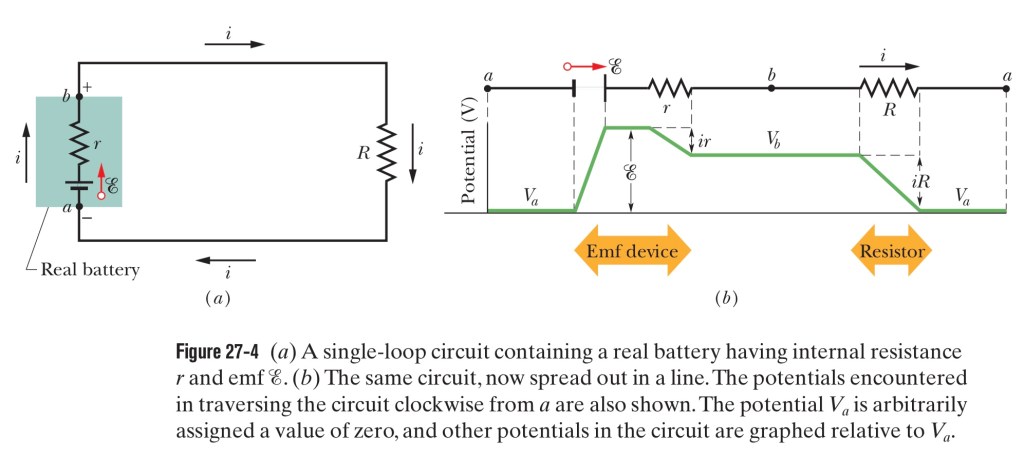
Kirchoff’s Loop Rules
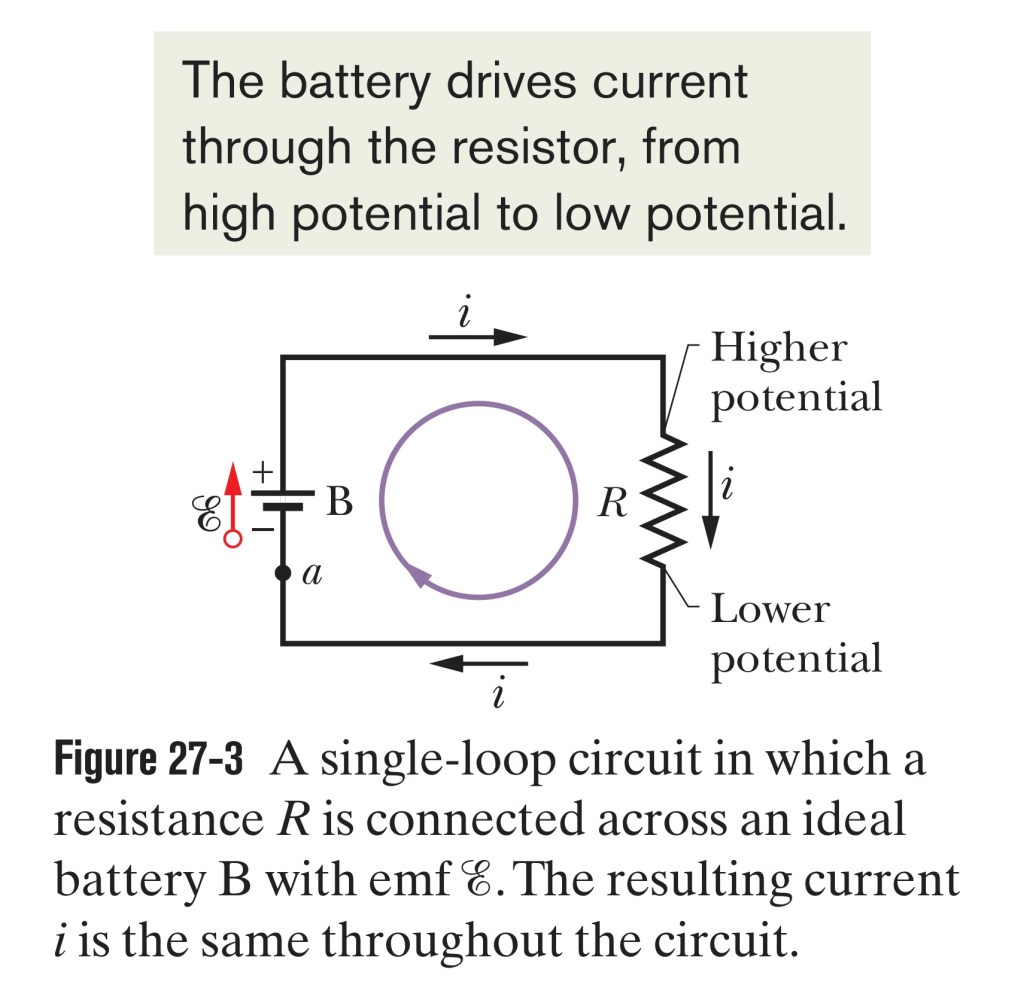
Loop rule: the algebraic sum of the changes in potential encountered in a completed traversal of loop must be zero.
Resistance rules: for a move through a resistance in the direction of the current, the change in potential is -iR; in the opposite direction is +iR.
EMF rule: for a move through an EMF in the direction of the EMF arrow, i.e. from – to +, the change in potential is +E; in the opposite direction is -E.
RC circuit
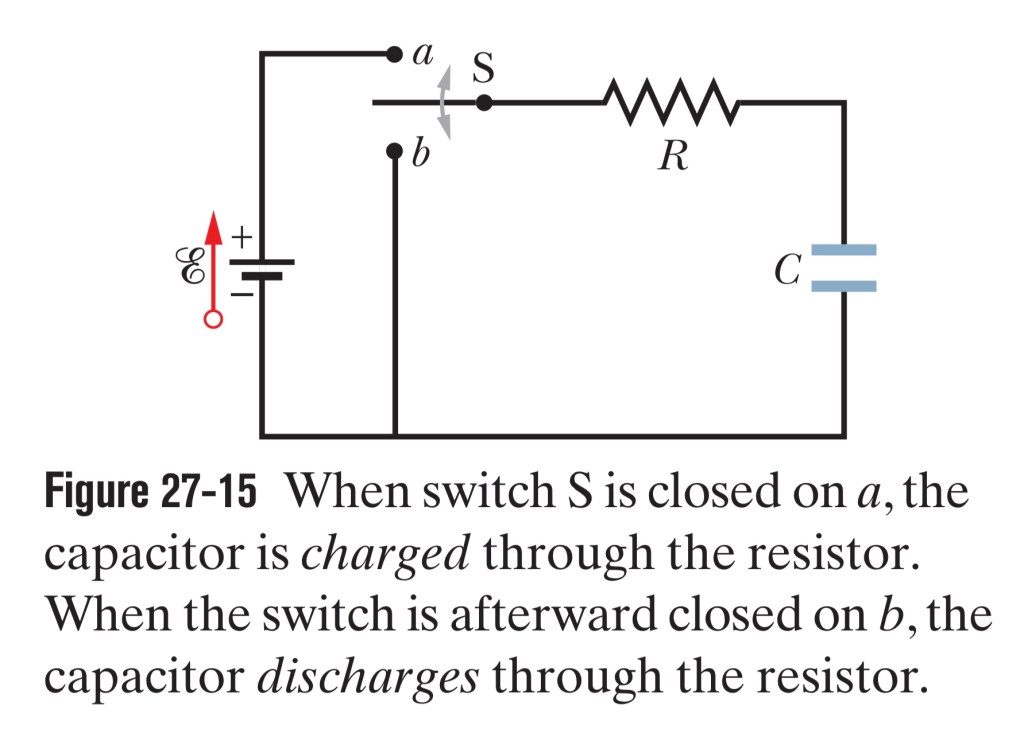
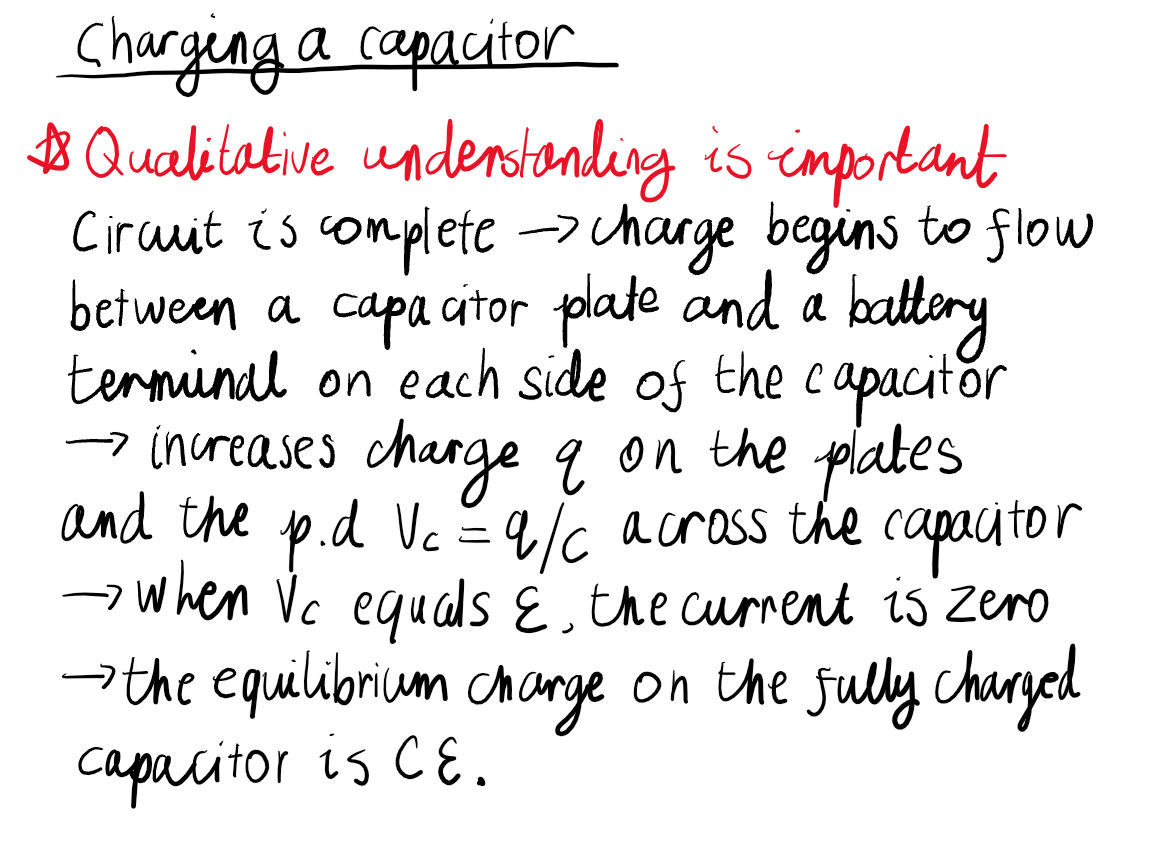
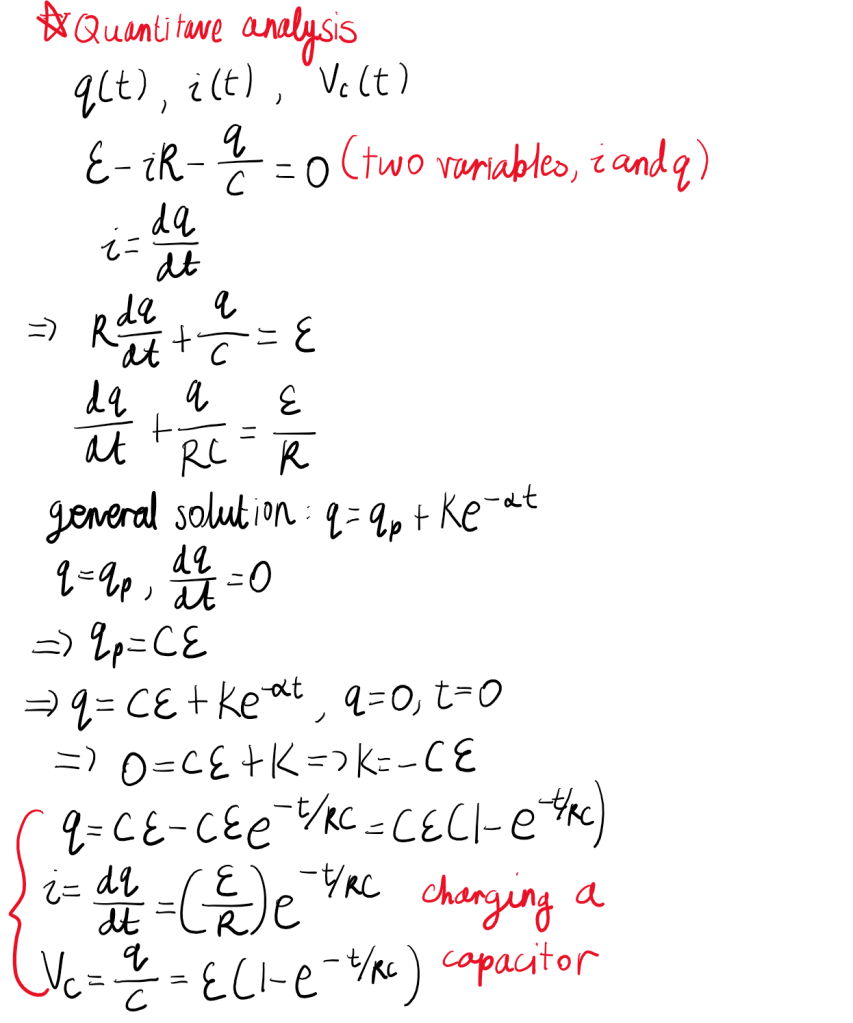
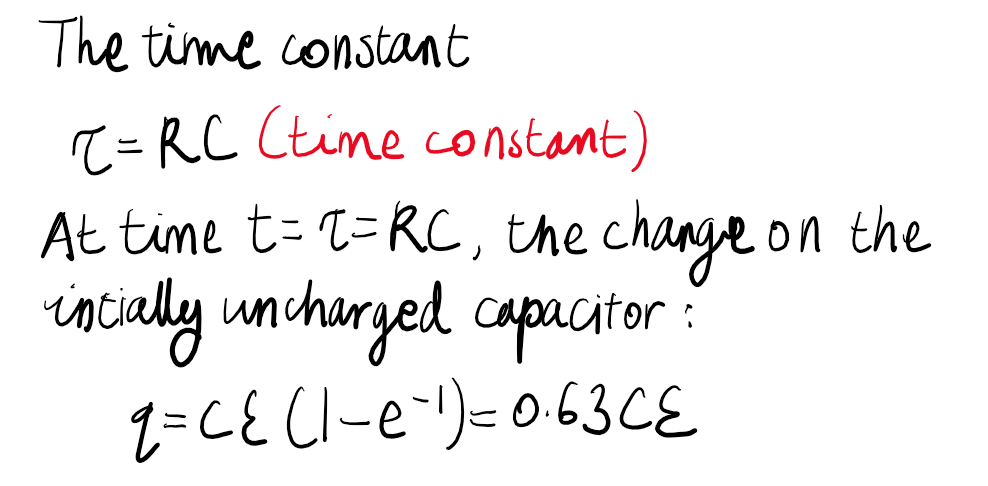
Charging a capacitor:
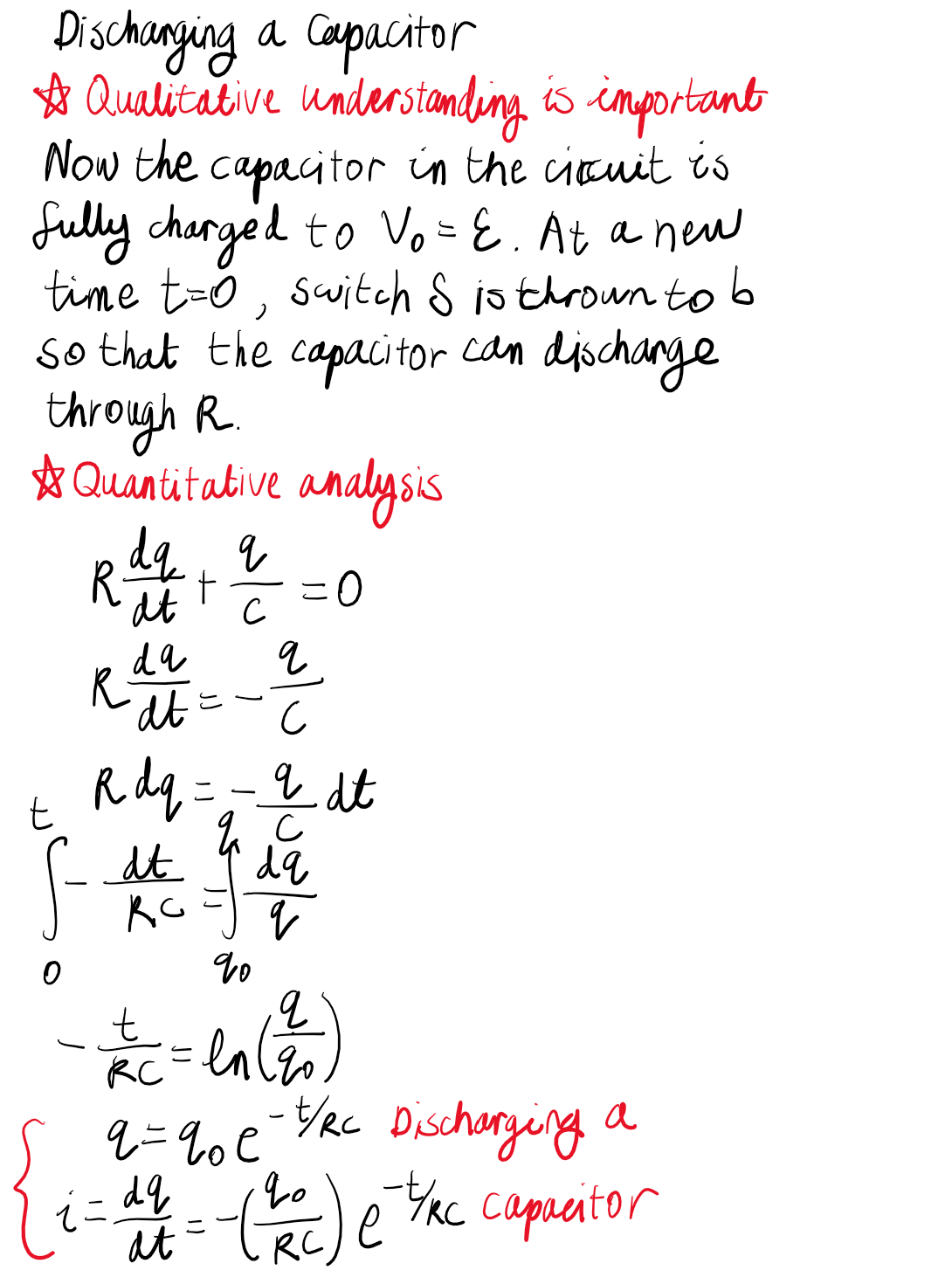
Discharging a capacitor:
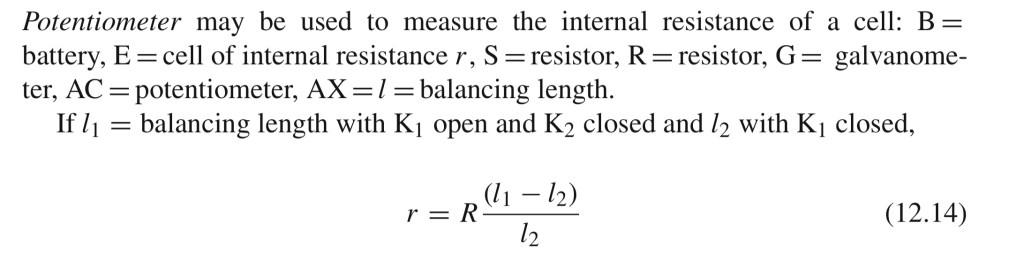
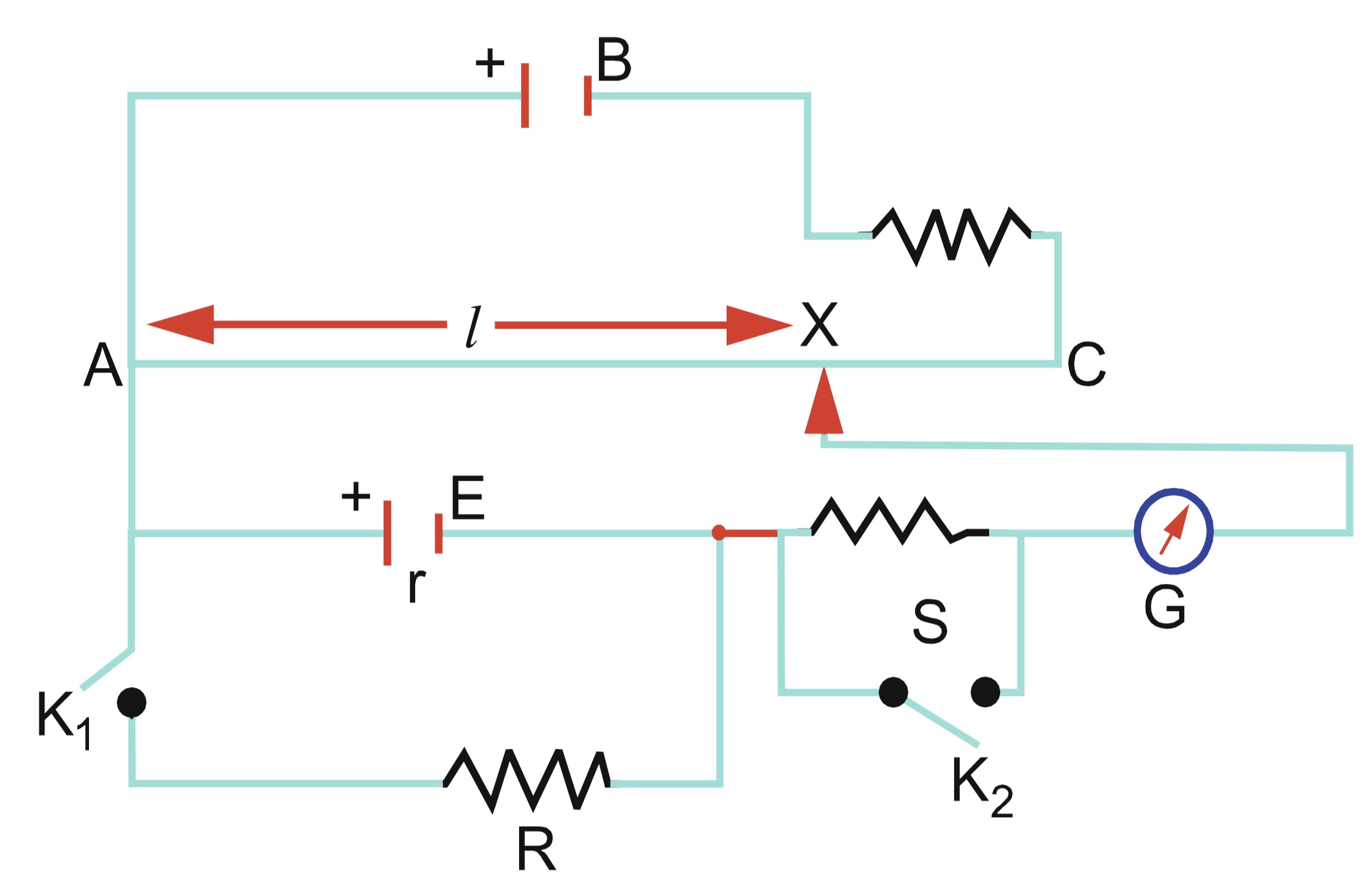
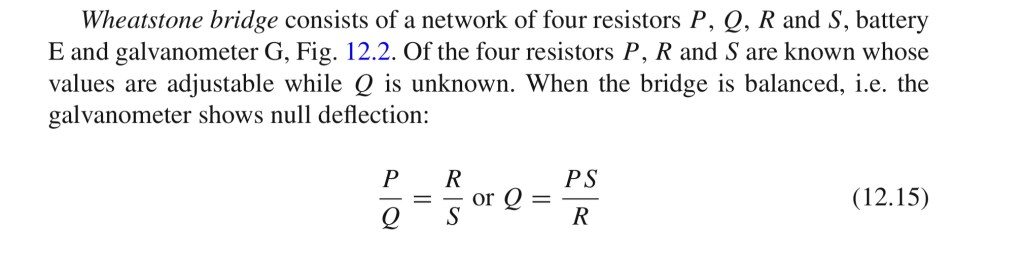
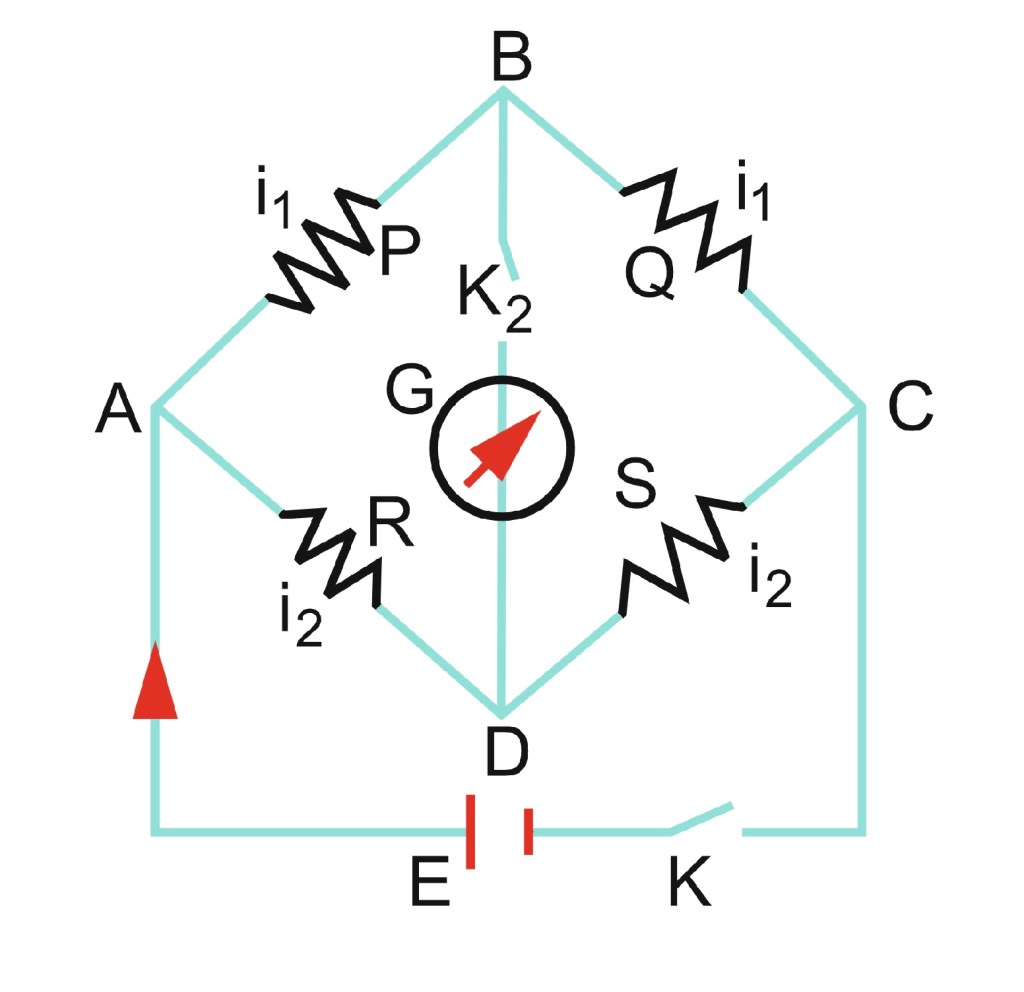
Instruments – potentiometer and Wheatstone bridge
Three easy non-BPhO circuits questions (w/ answers) to warm up…
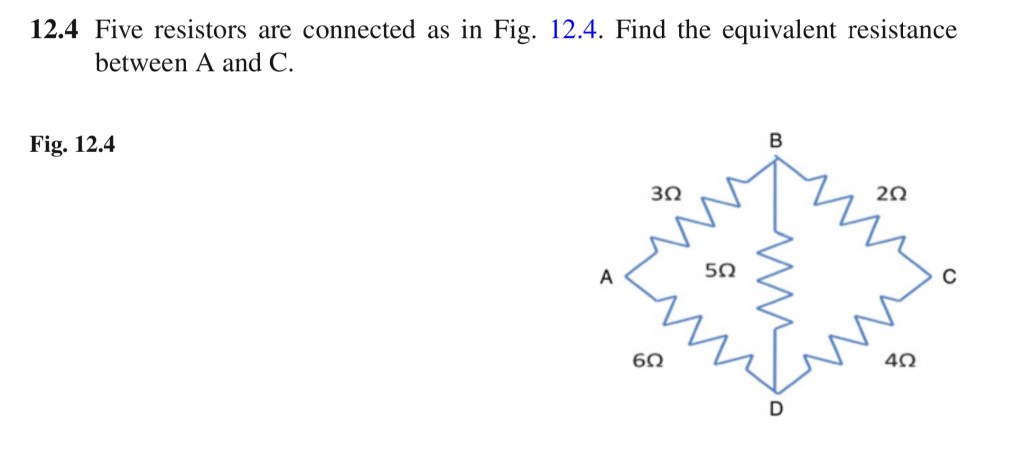
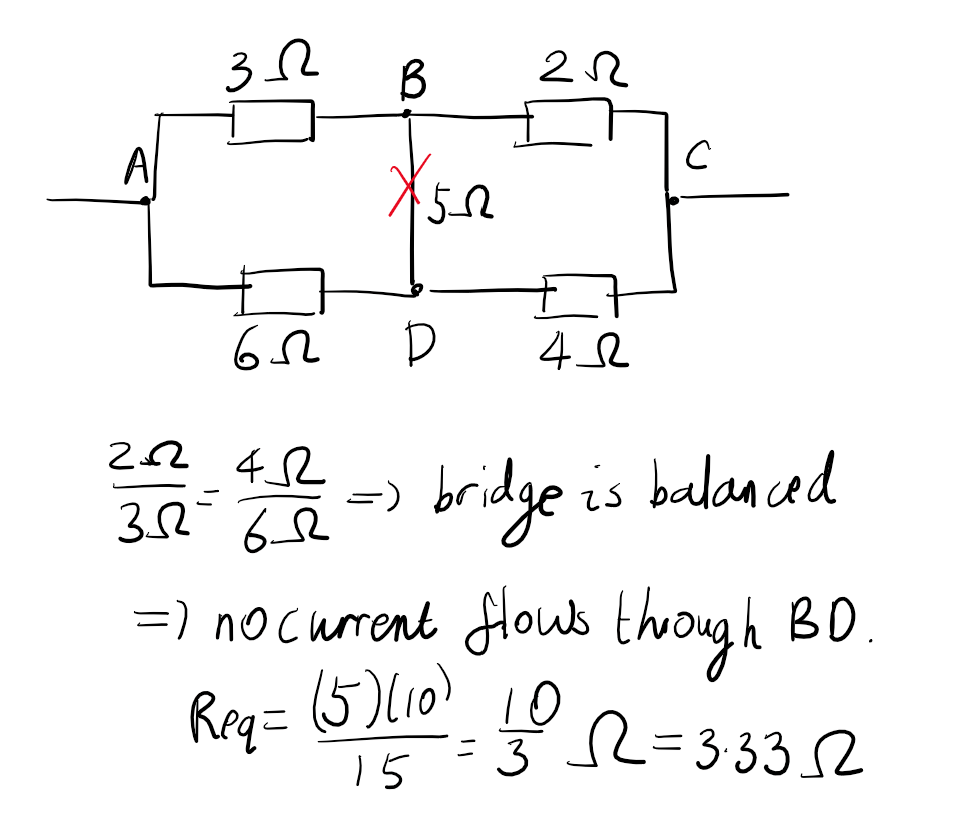
Hint 12.4: what can be deduced about this Wheatstone bridge?
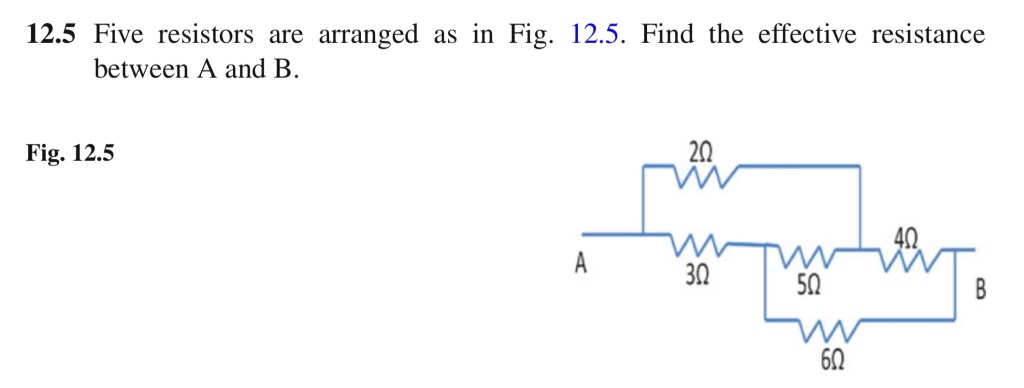
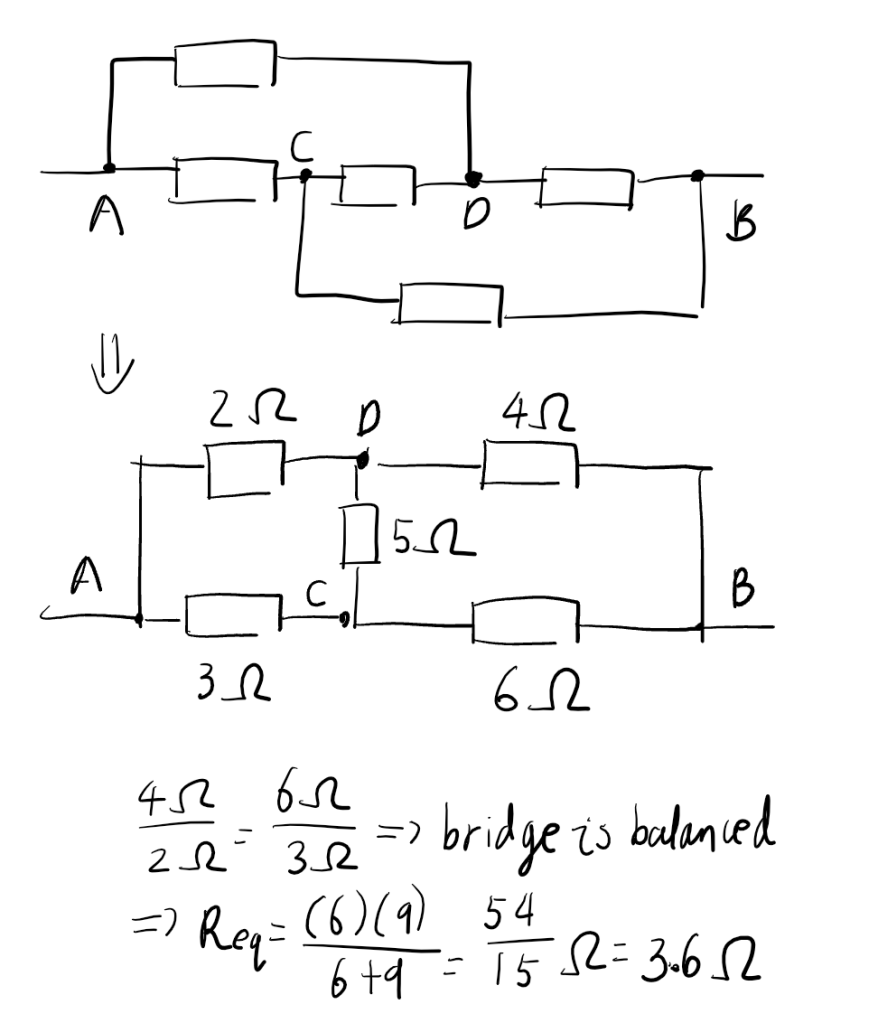
Hint 12.5: find the equivalent circuit…
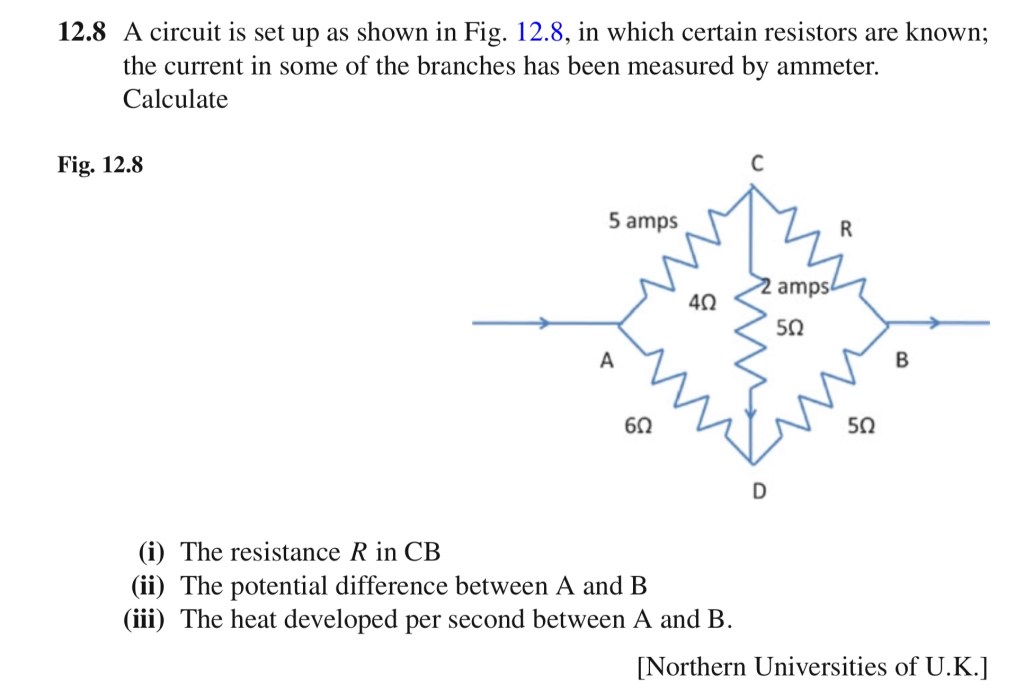
Hint 12.8: when the bridge is obviously not balanced, we use…
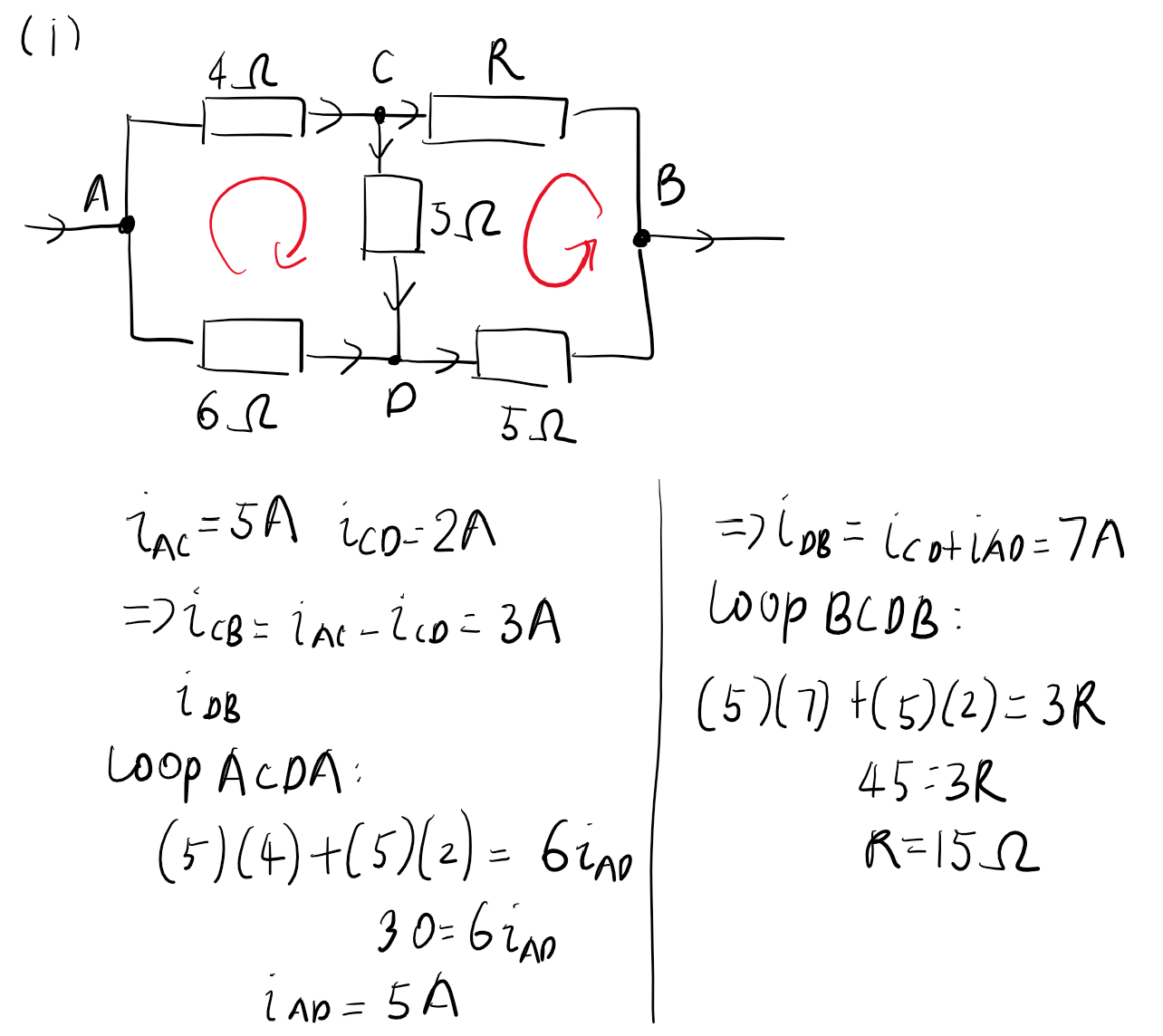
I propose the following solutions:

BPhO 2016 R1 Section 2 Q2
Do it under timed condition first. If you are stuck, look at the hints 😉
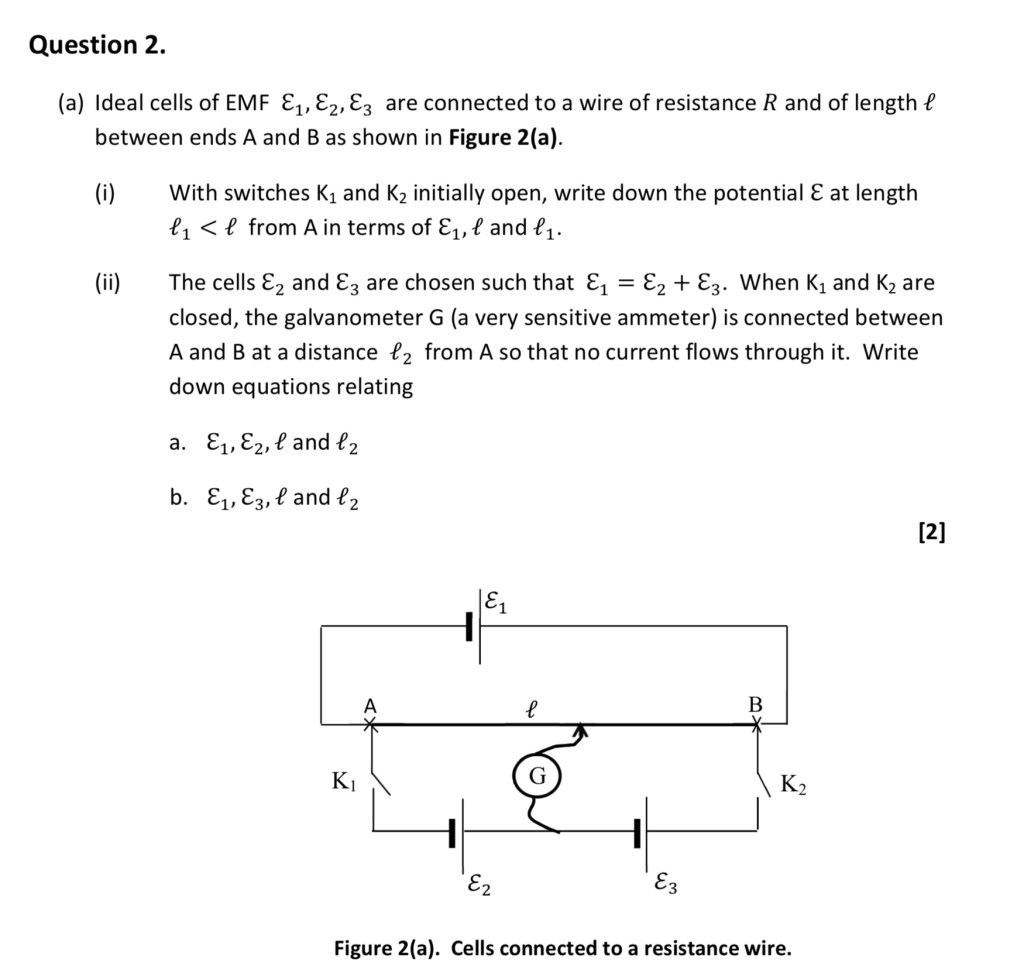
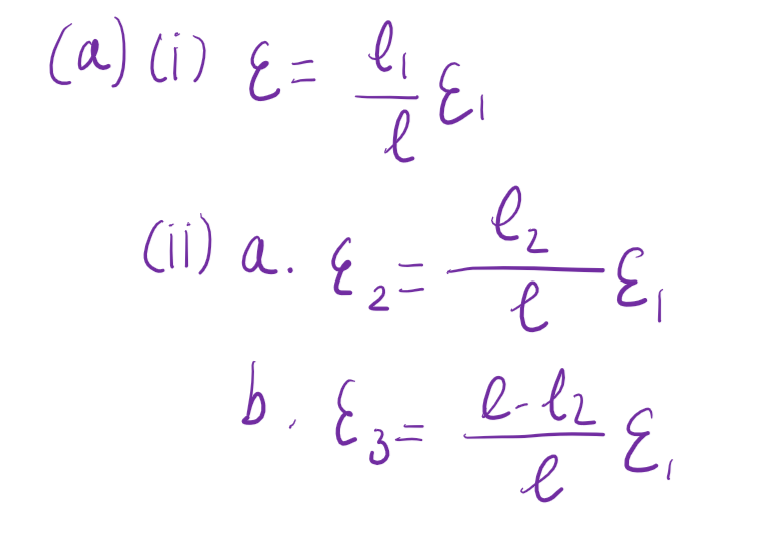
Hint Part (a): nice and easy, potential divider.
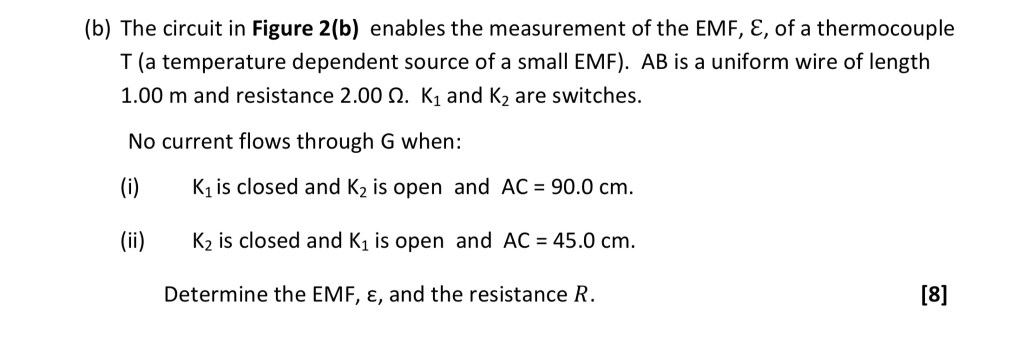
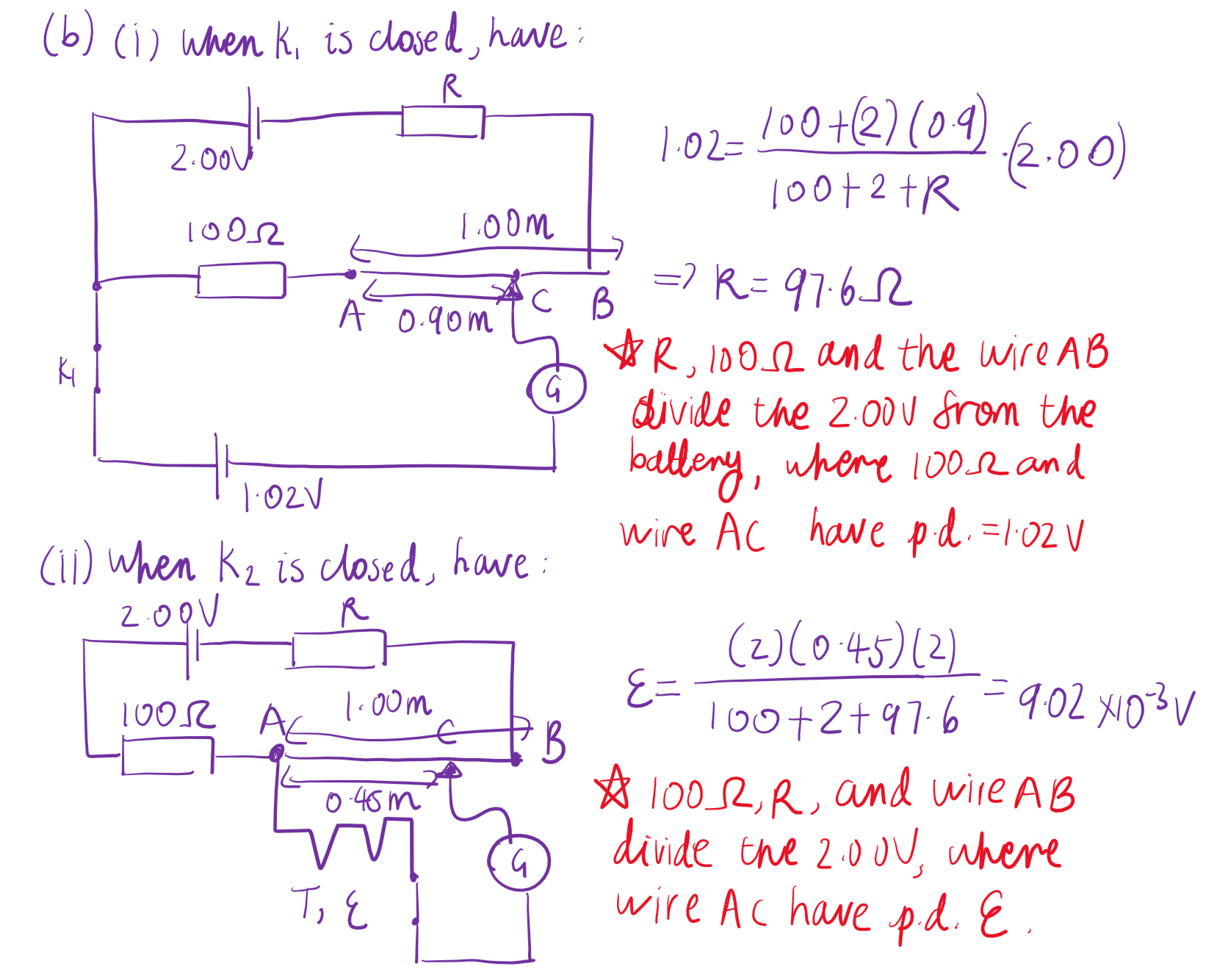
Hint Part (b): remember to analyze the circuit… which appliances divide which potential?
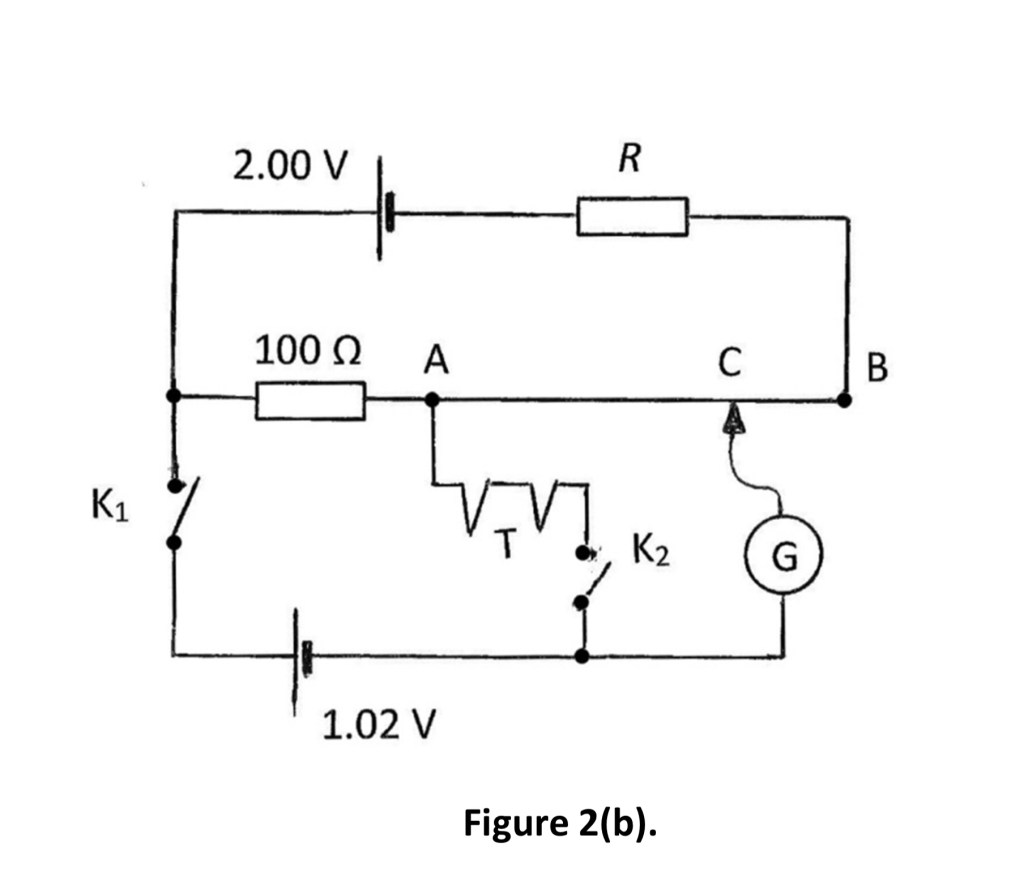
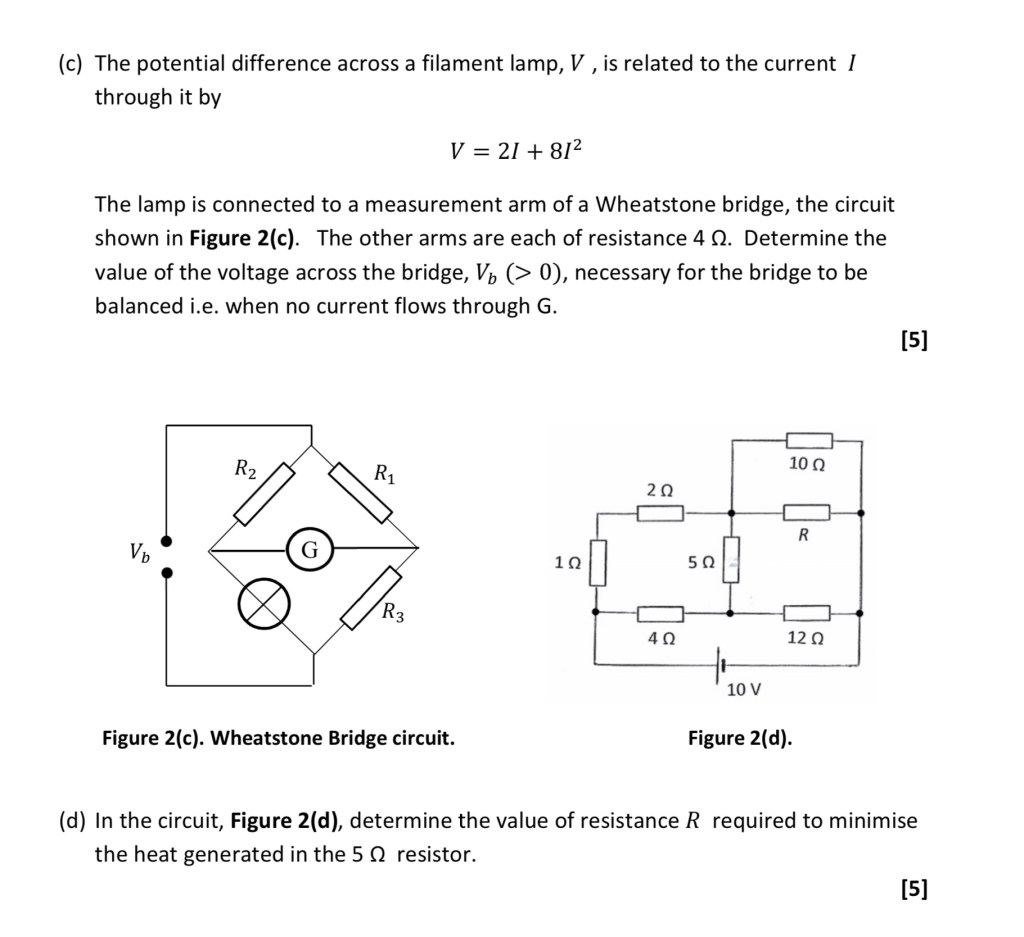
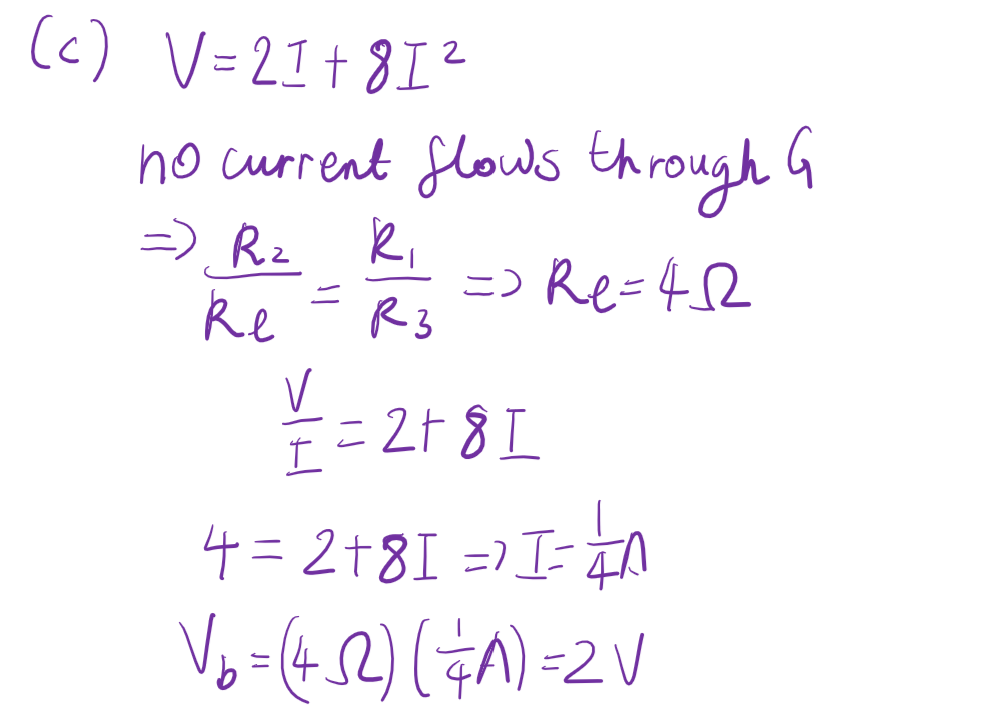
Hint Part (c): figure it out yourself, it’s not that difficult…
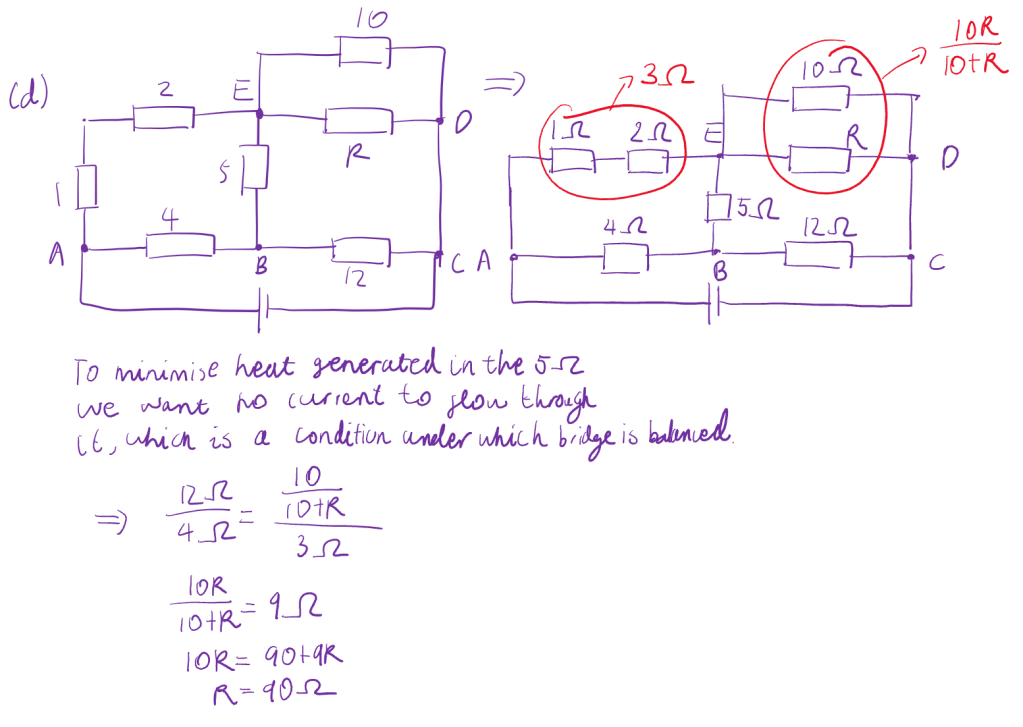
Hint Part (d): figure out the equivalent circuit. What do you discover?
My solutions are as follows.
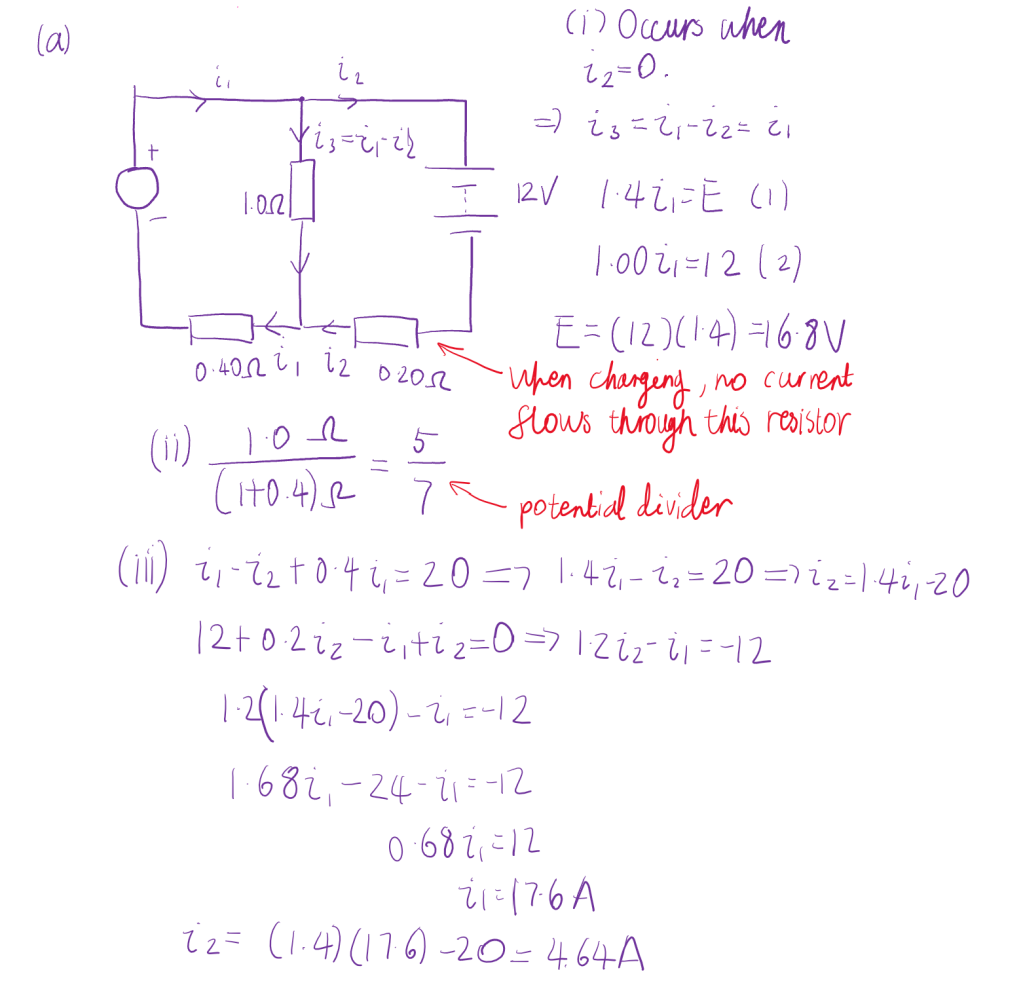
BPhO 2012-13 R1 Section 2 Q2
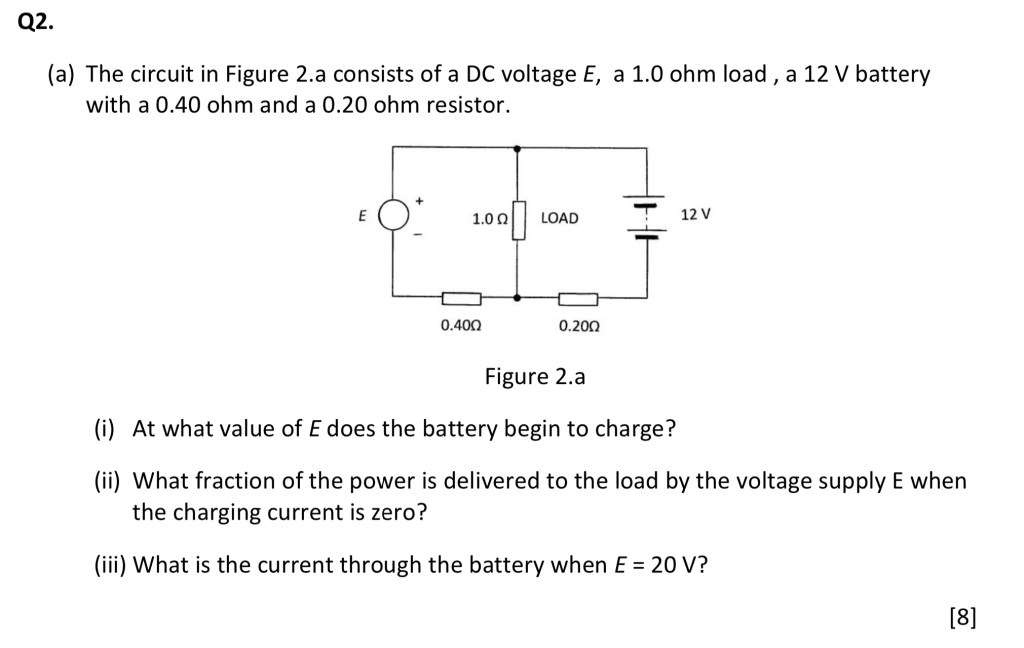
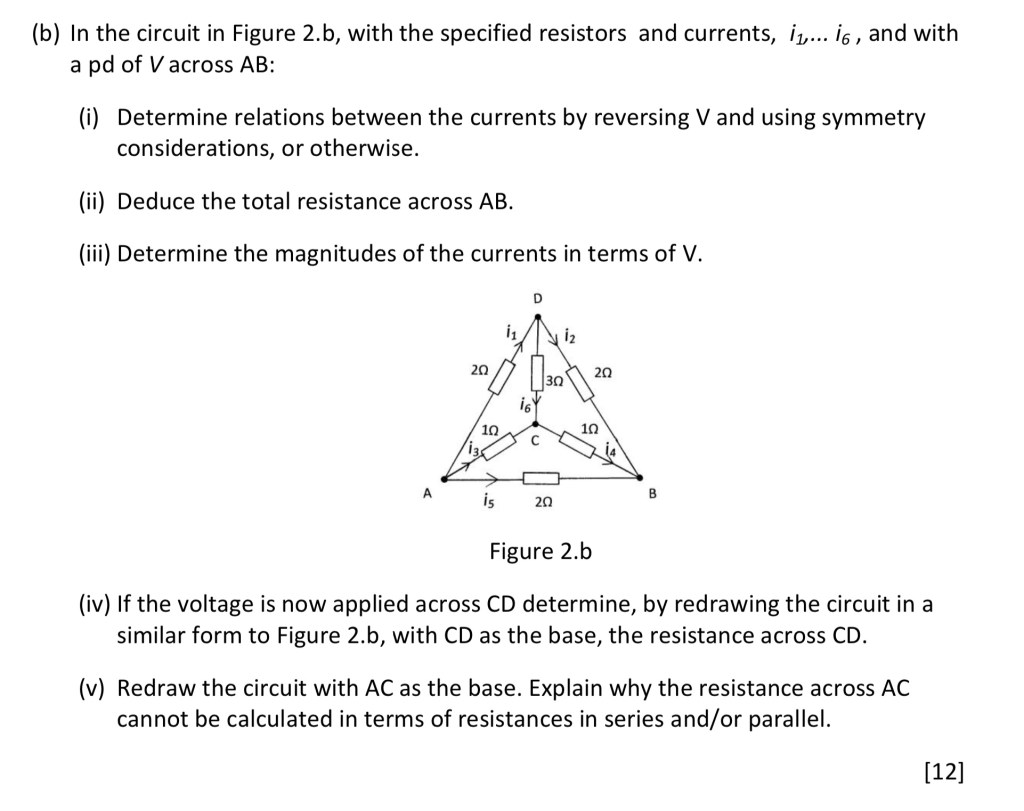
My solutions:
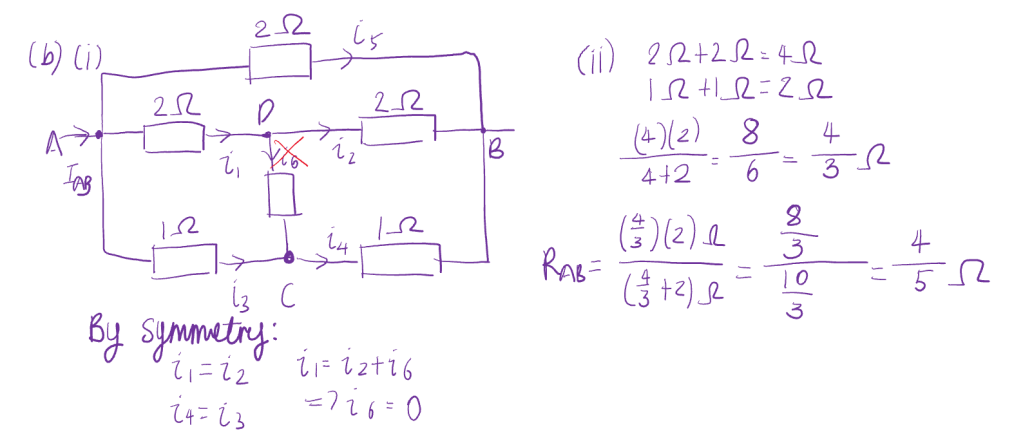
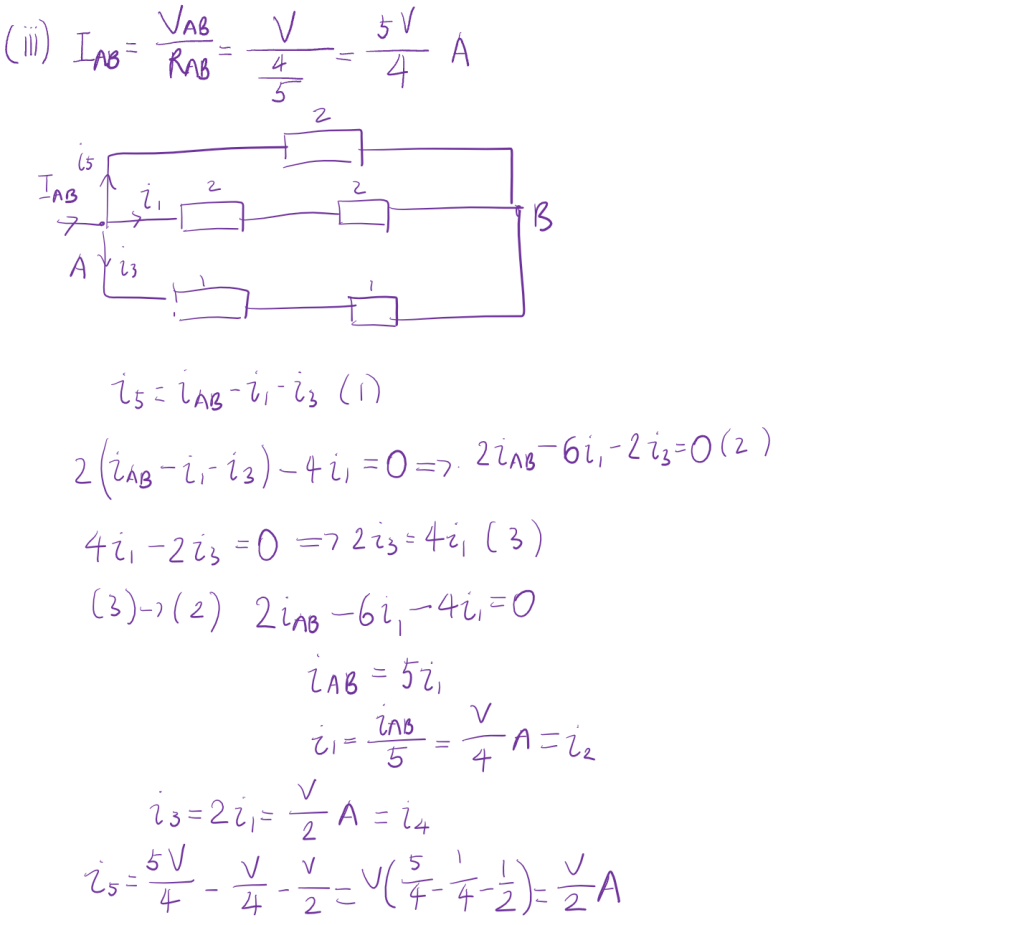

BPhO 2015 R1 Section 2 Q4
This is yet another circuit question (w/ hints). Have a go at it and see how many marks you can grab.
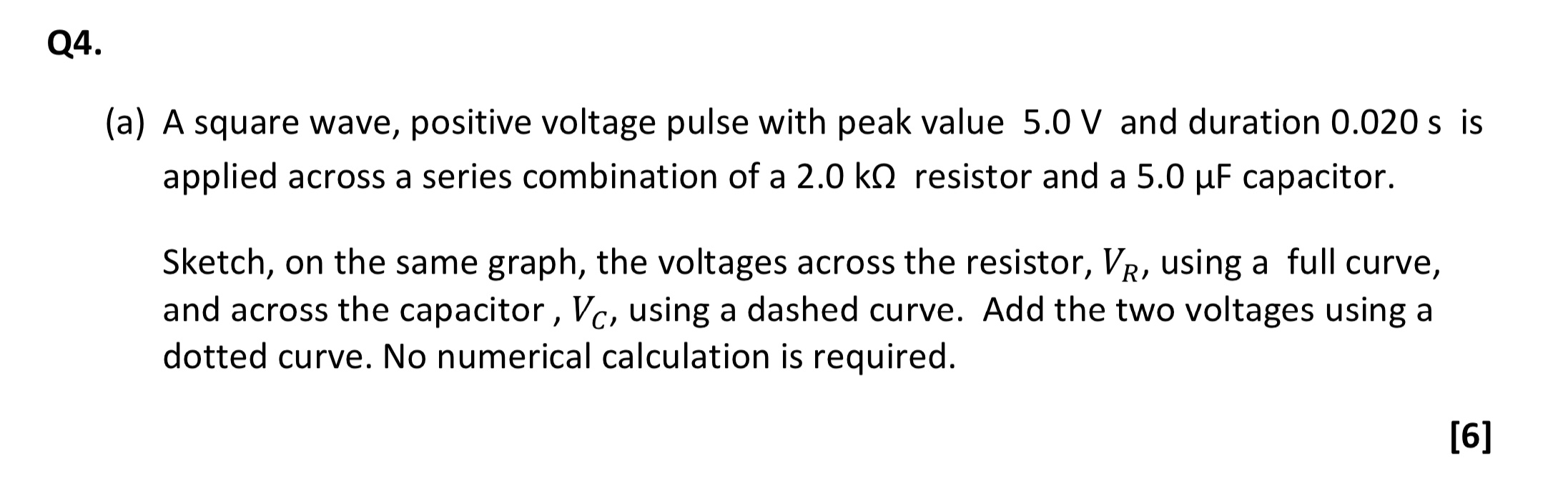
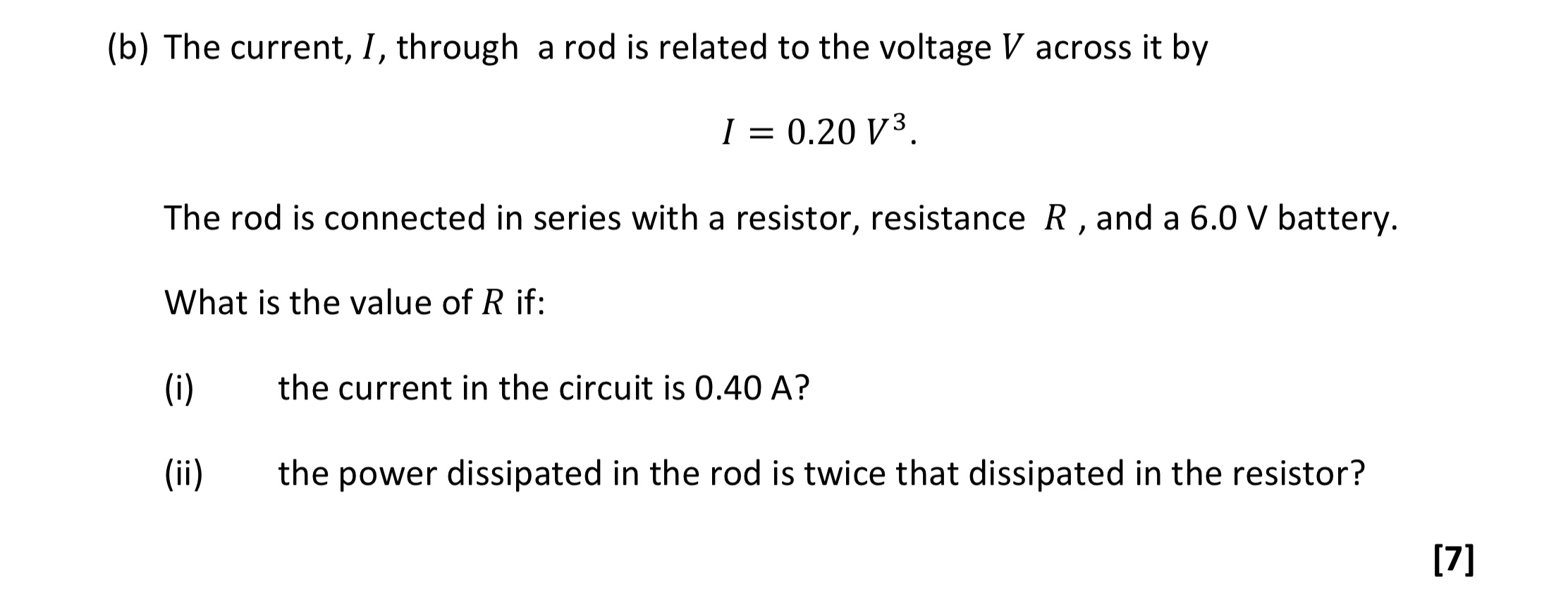
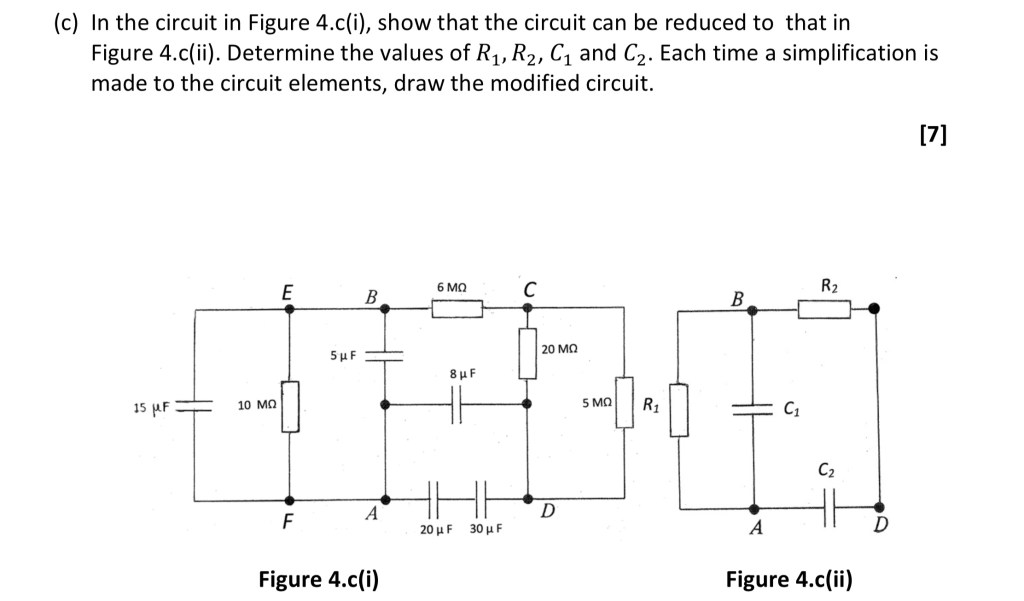
BPhO 2014 R1 Section 2 Q2
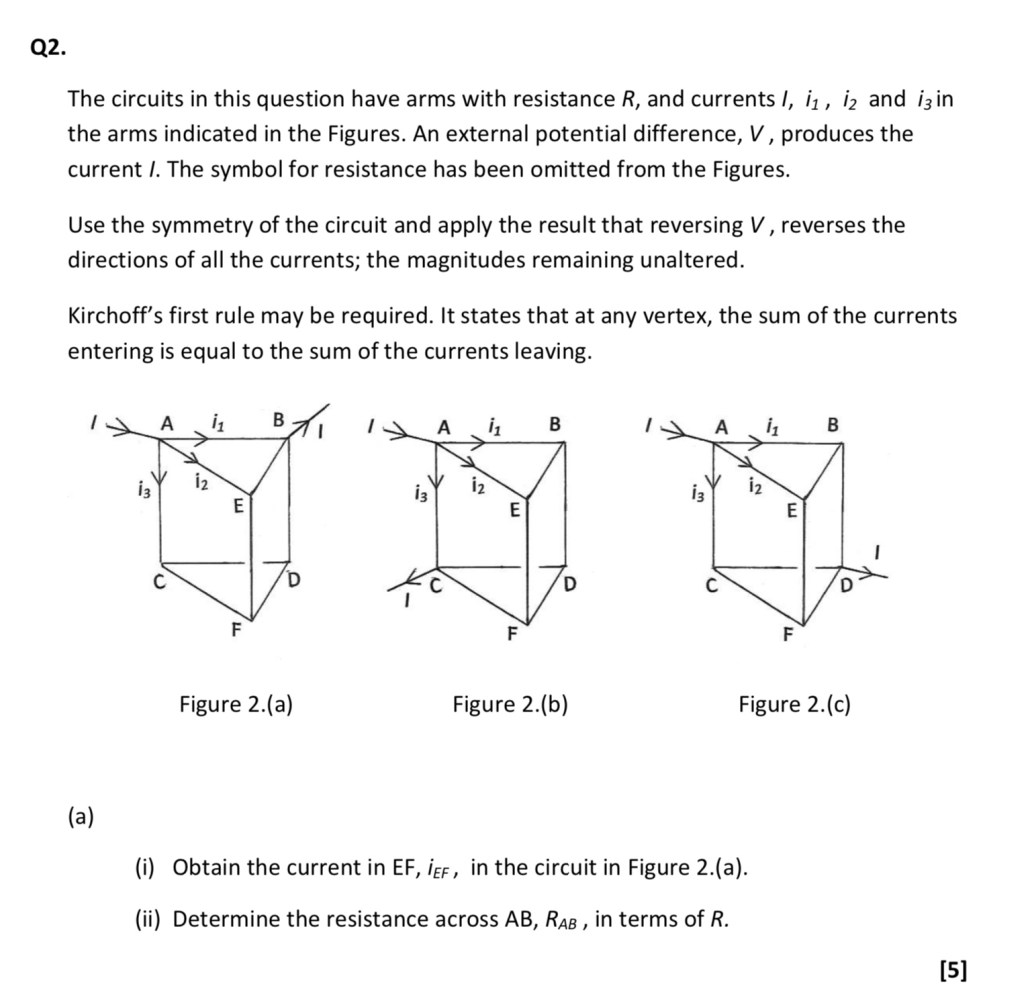
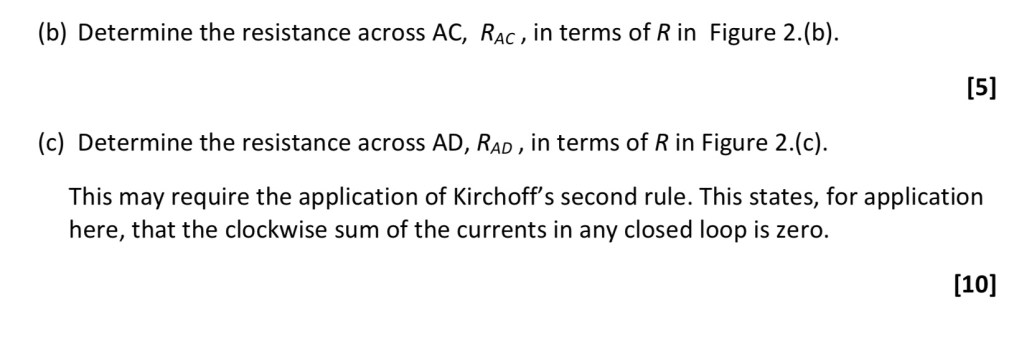
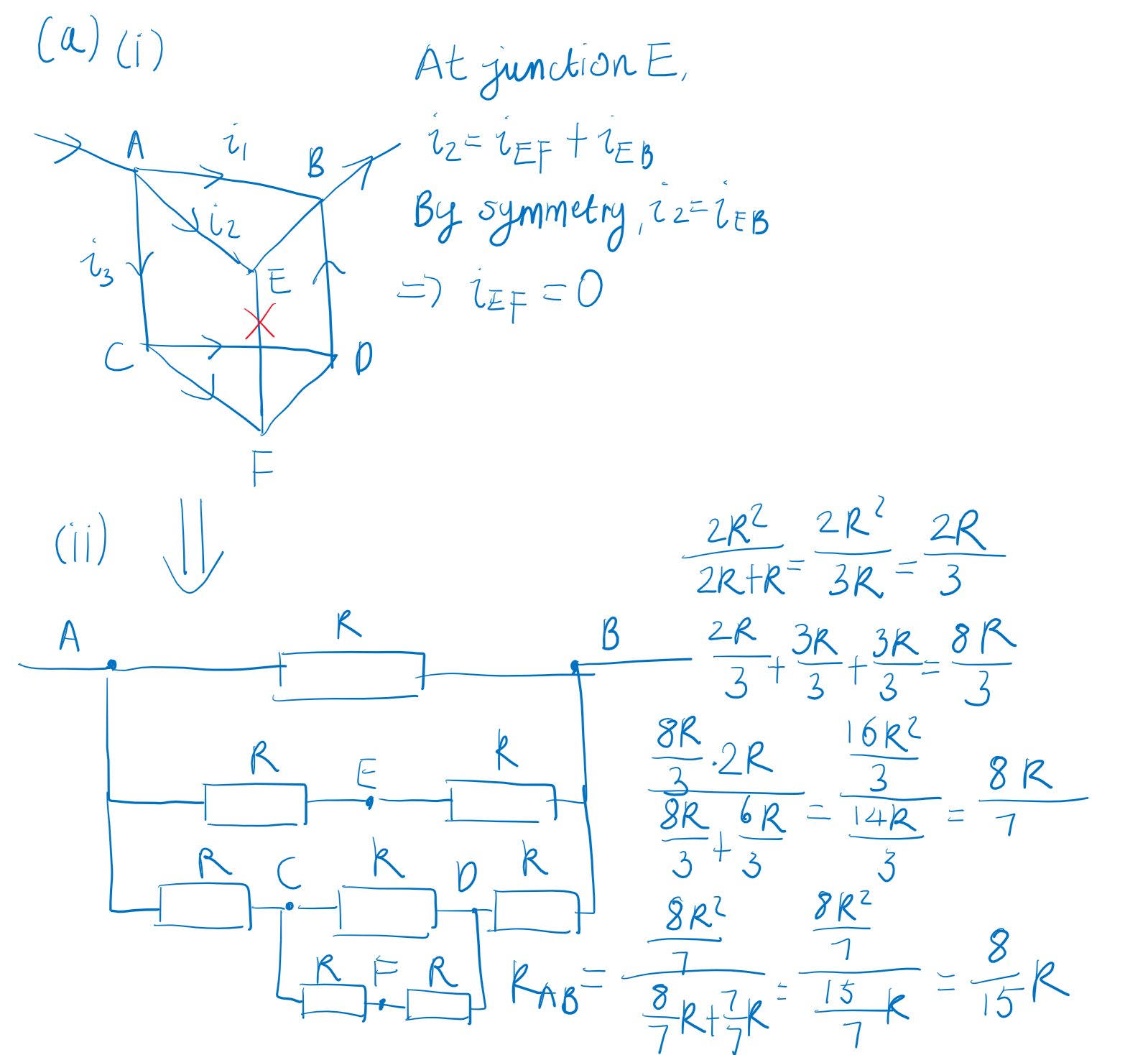
My solution:
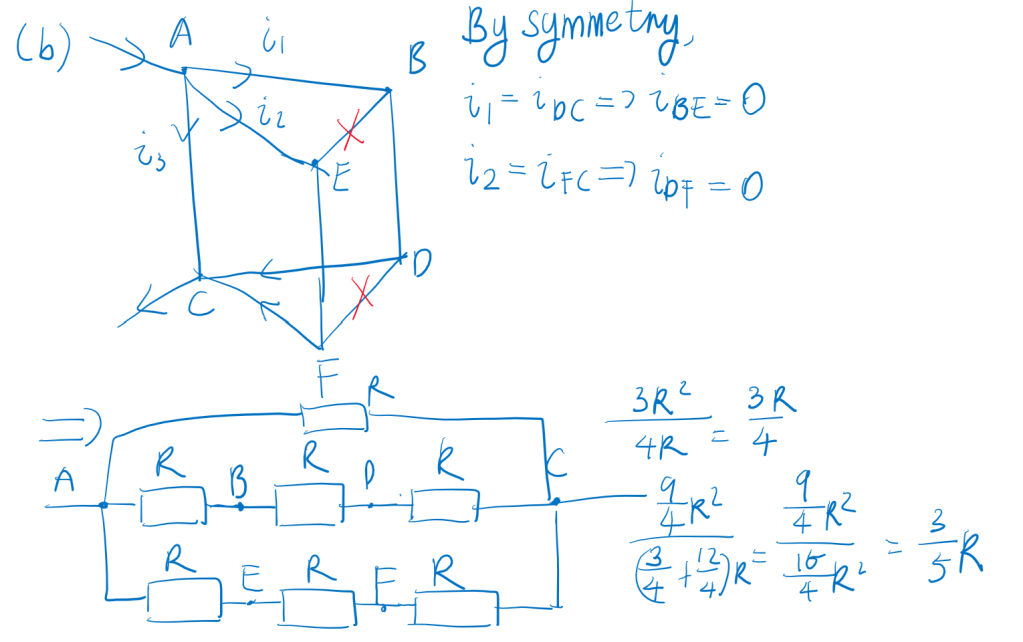
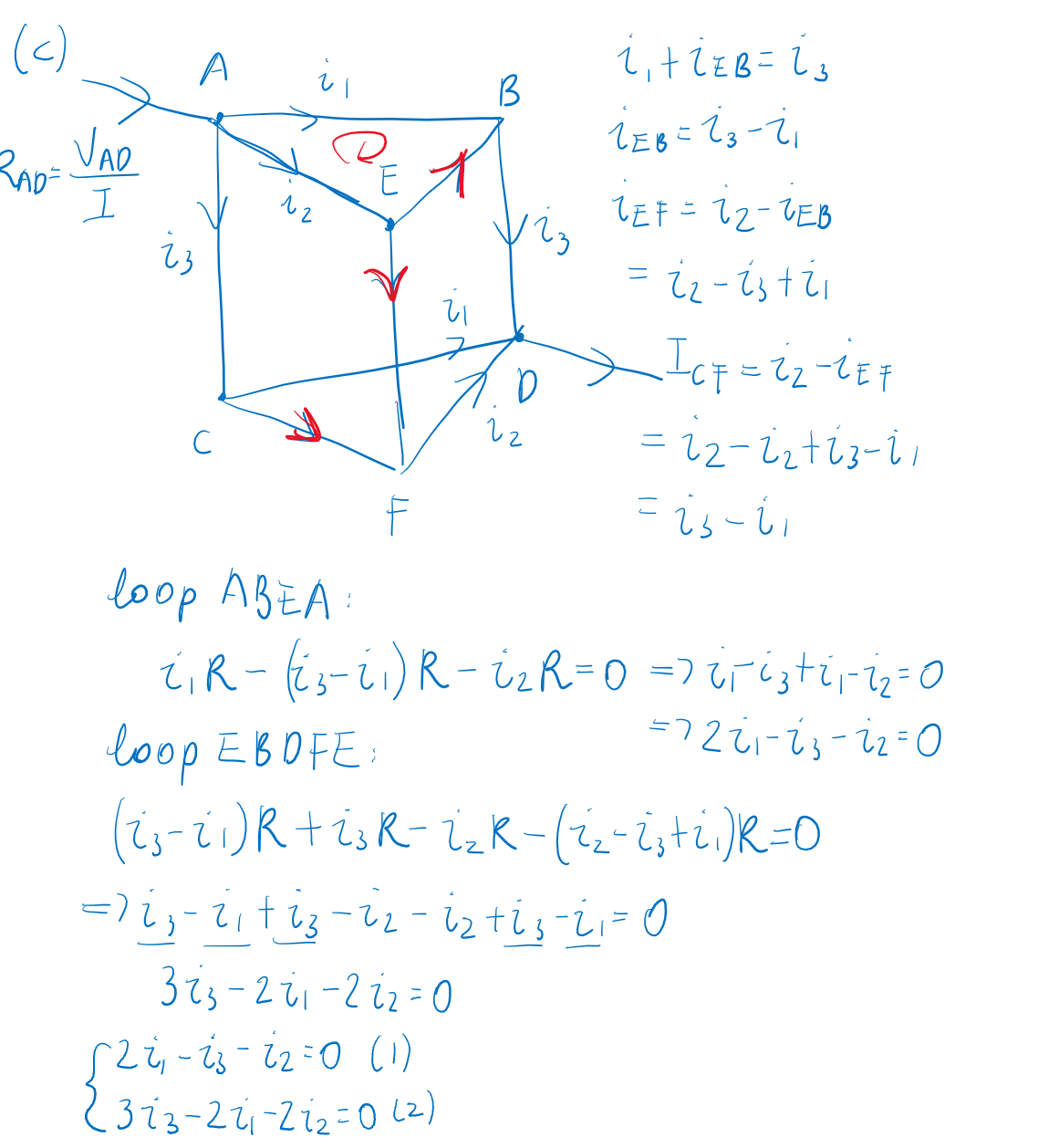
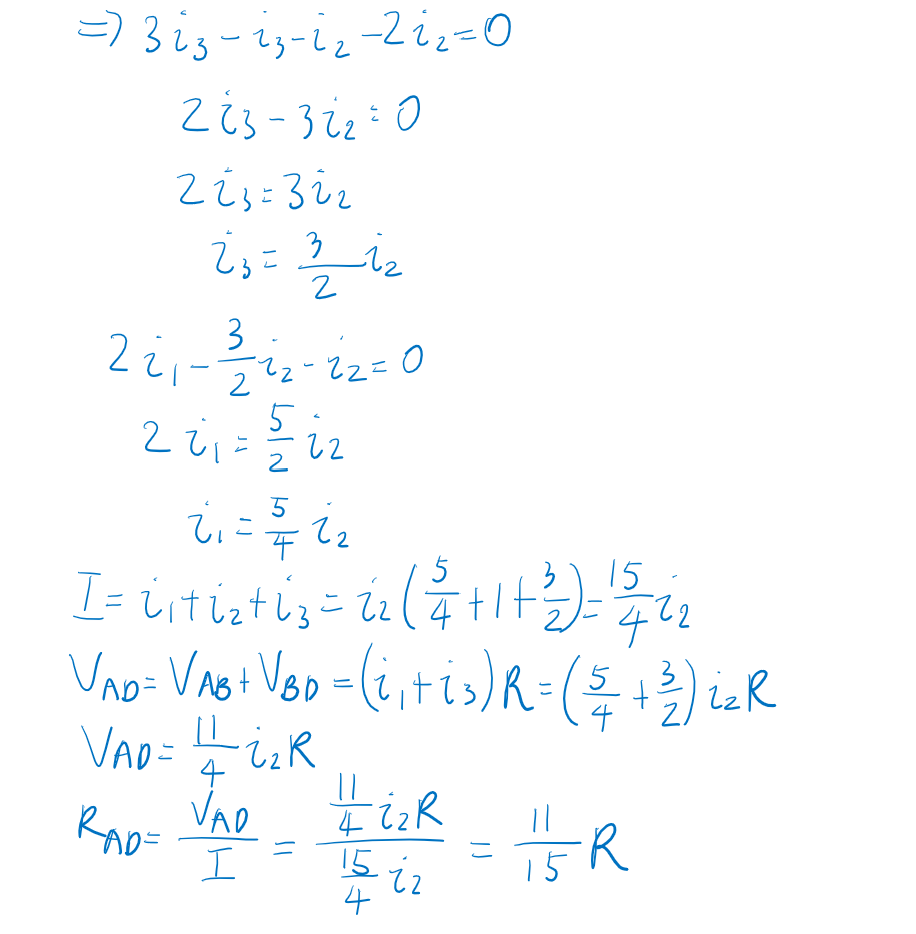
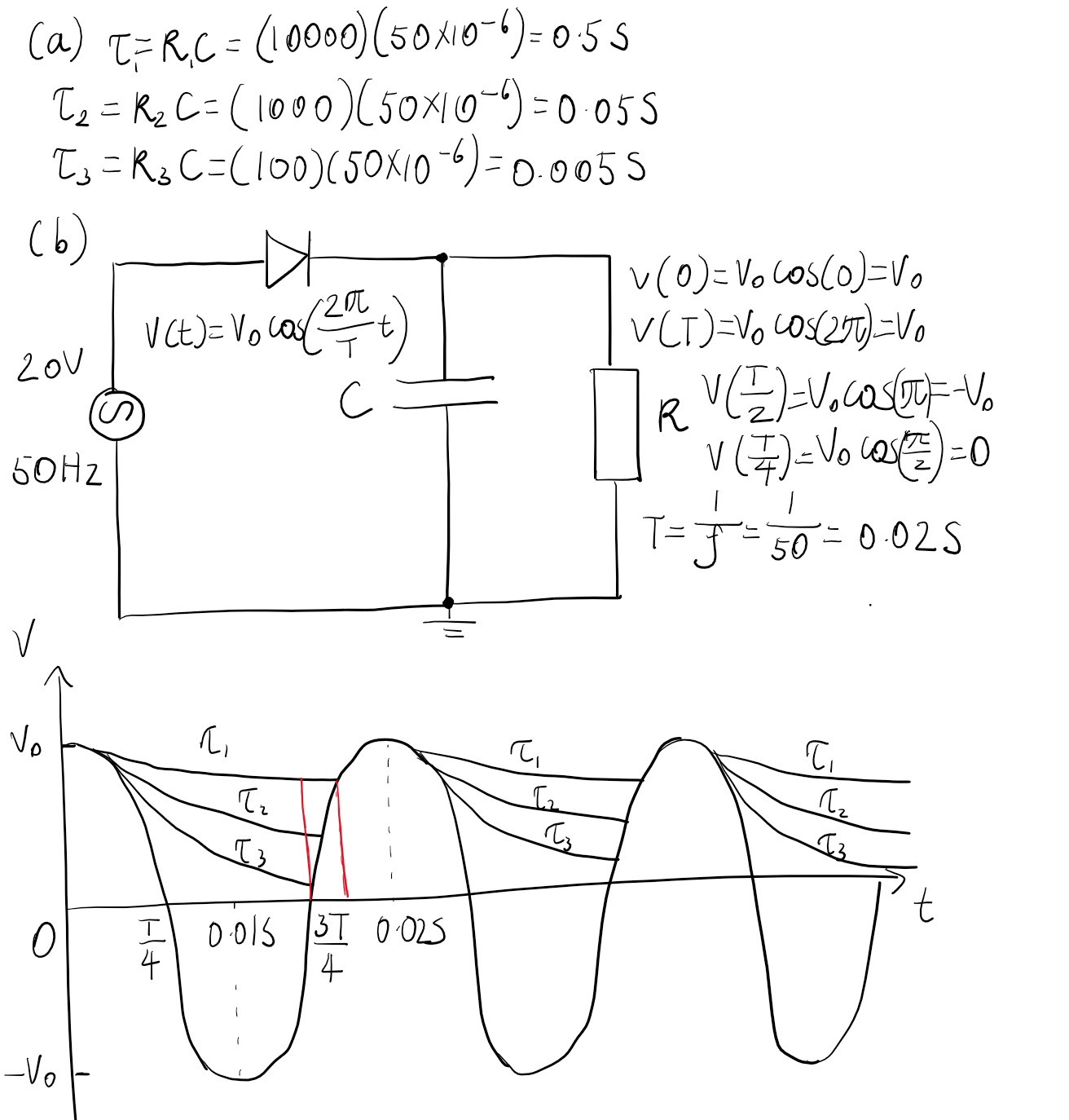
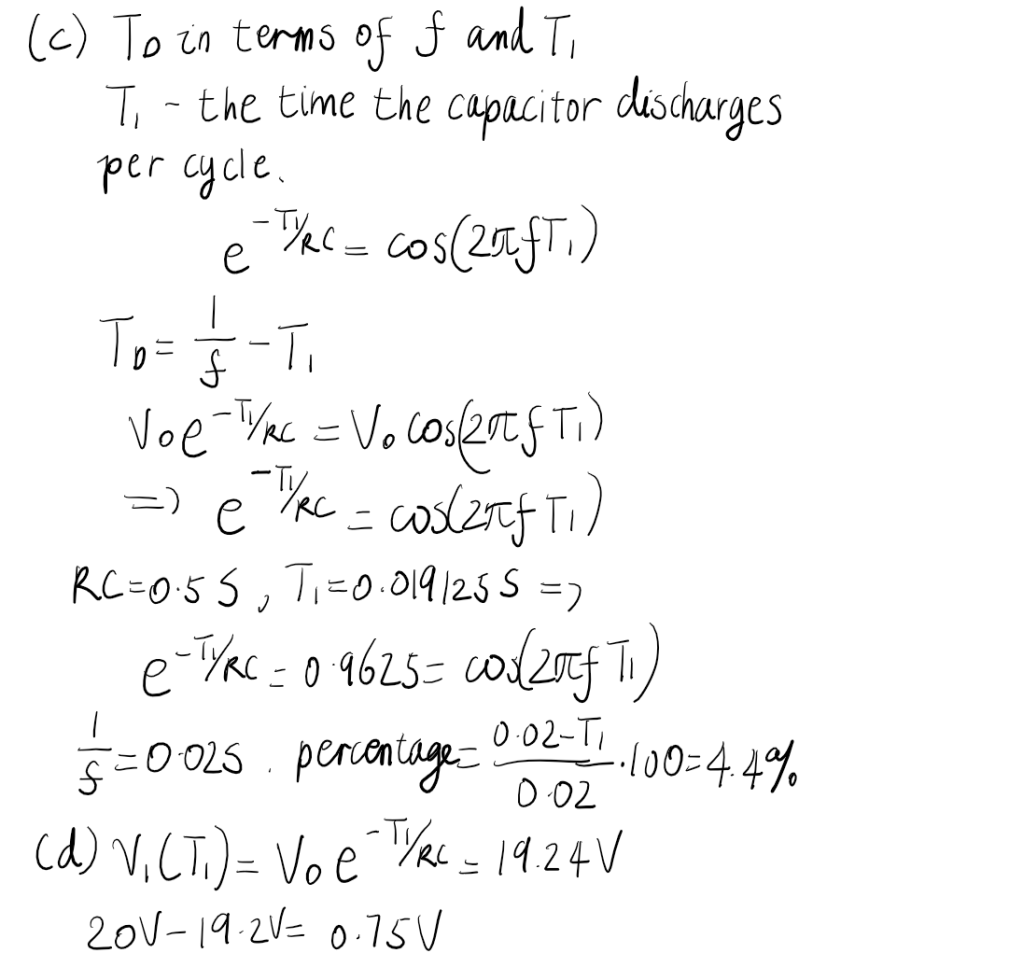
BPhO 2014 R1 Section 2 Q6
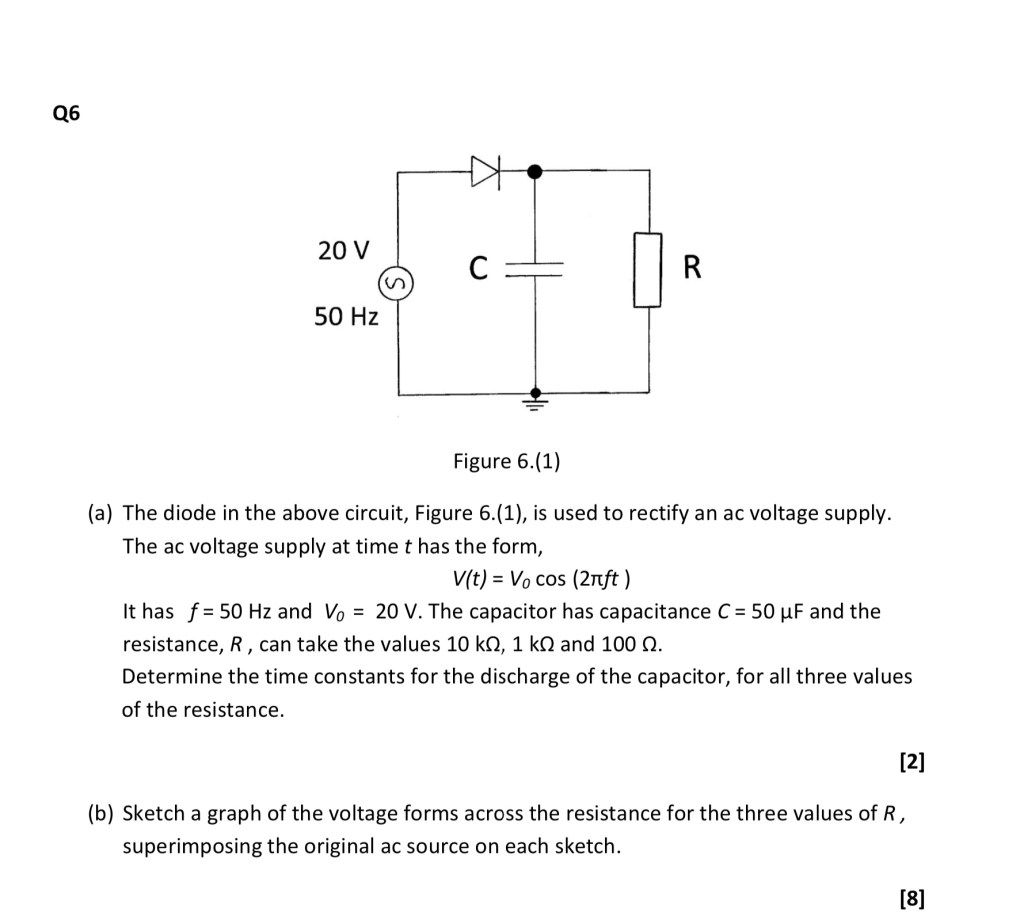
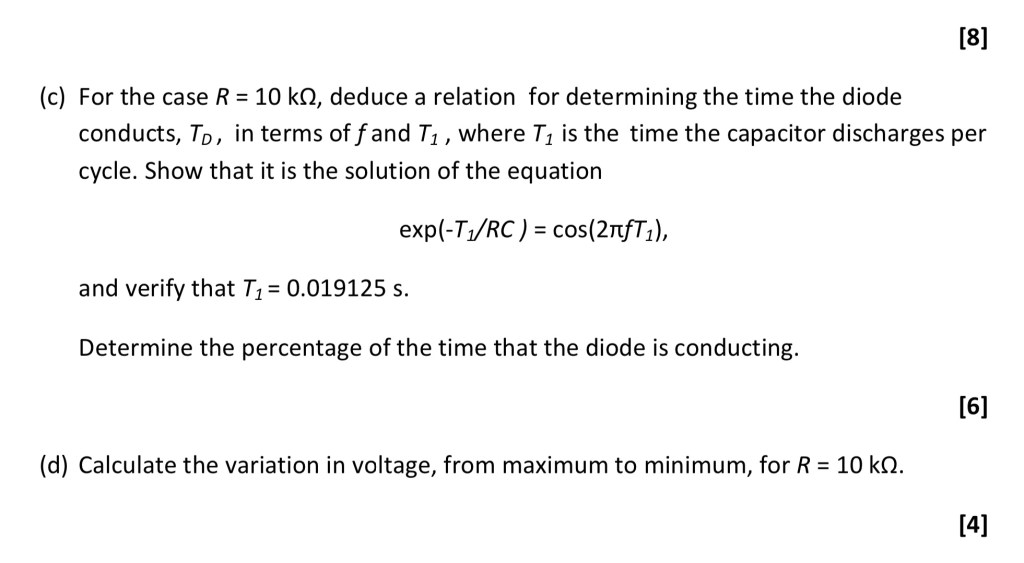
My solution:
BPhO 2011 R1 Section 2 Q2
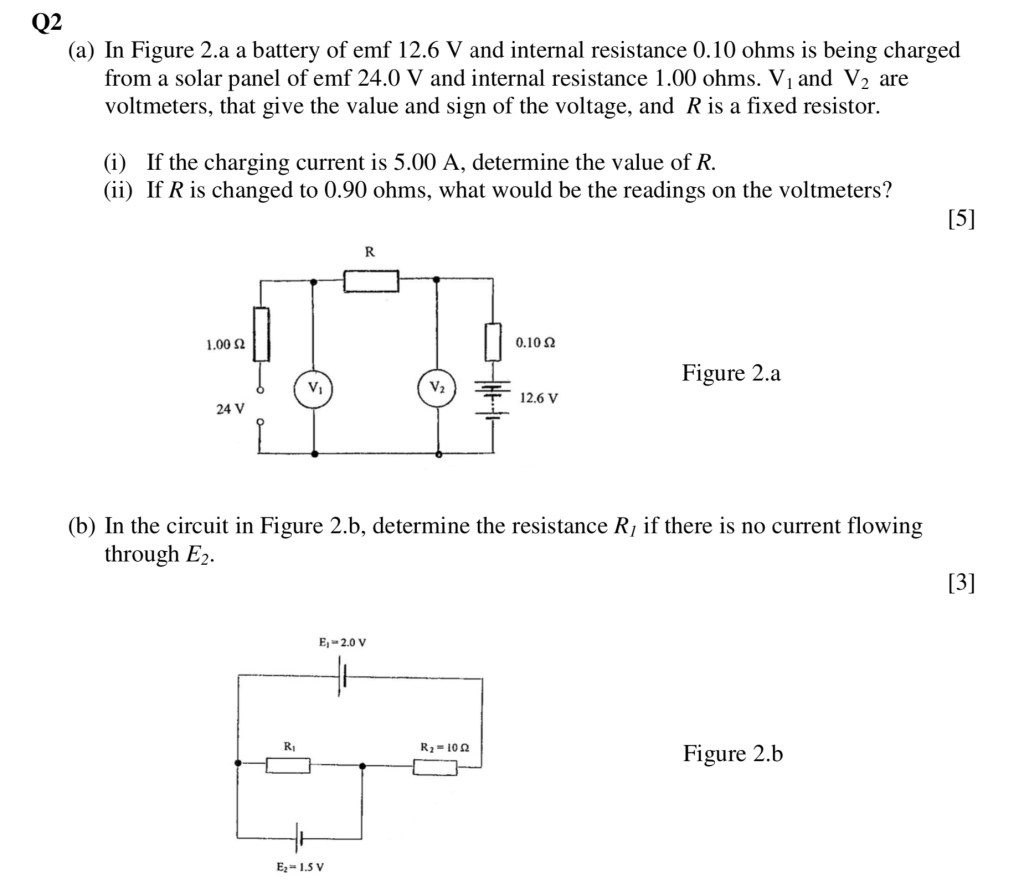
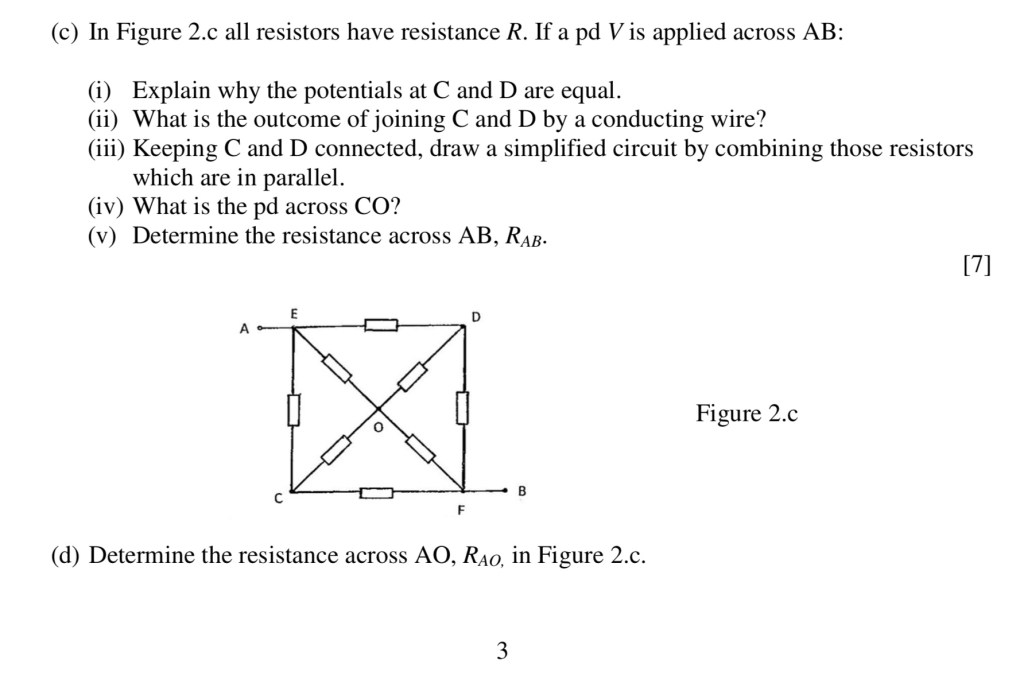
My solutions:
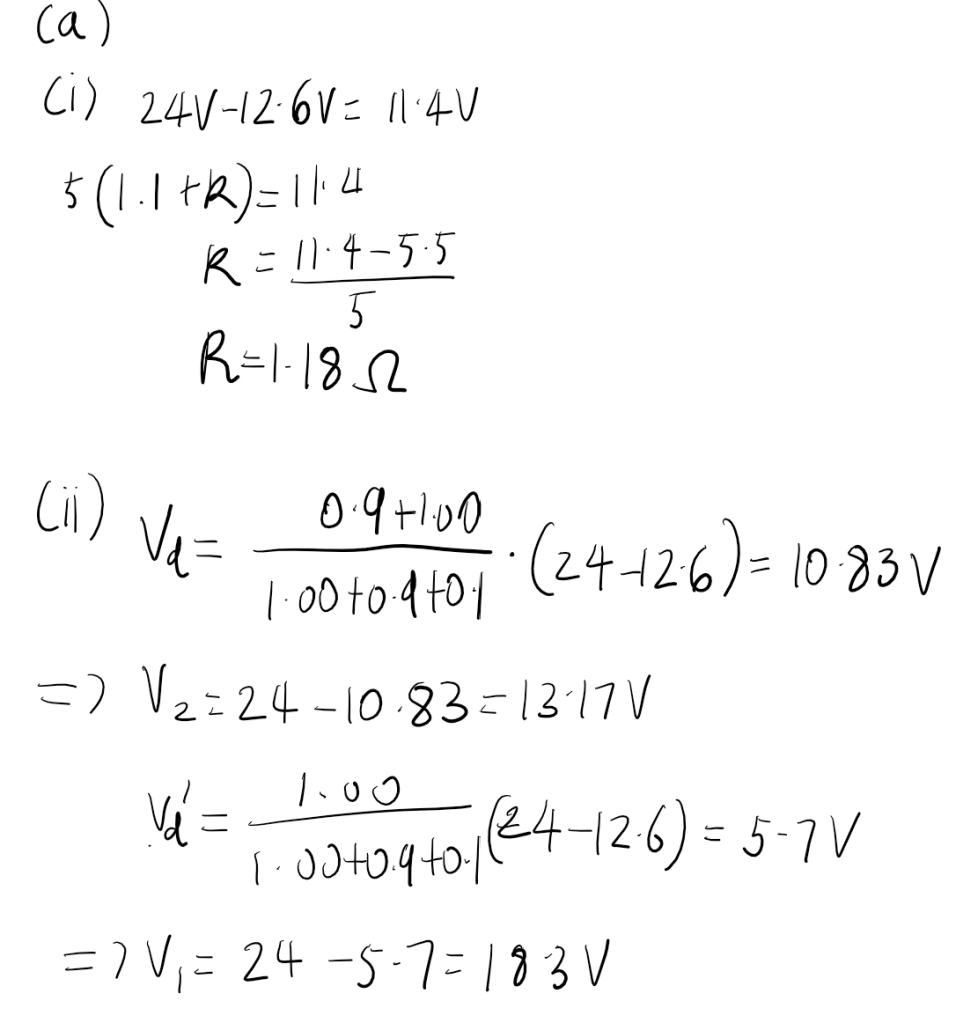
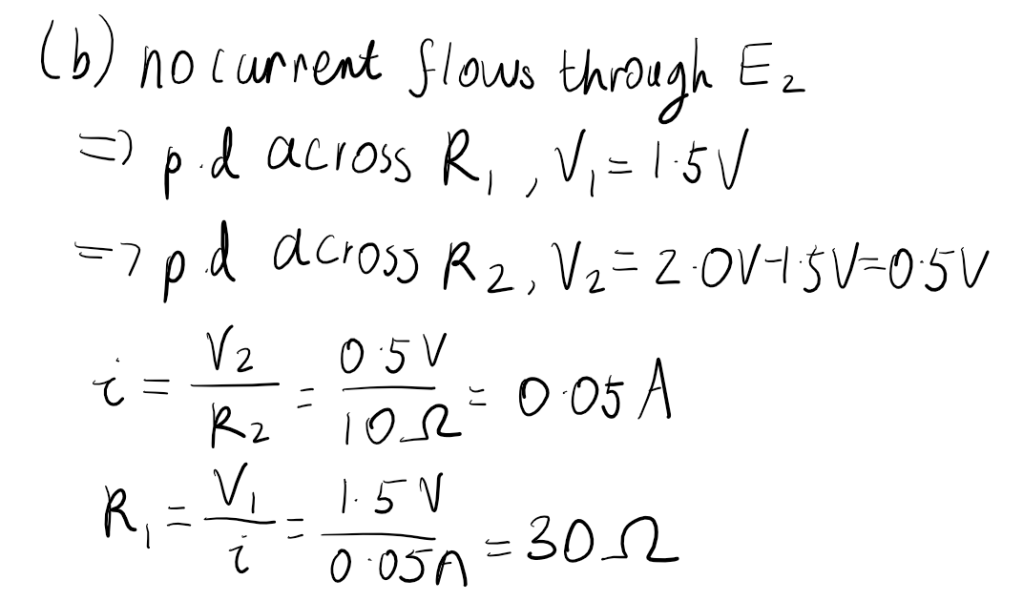
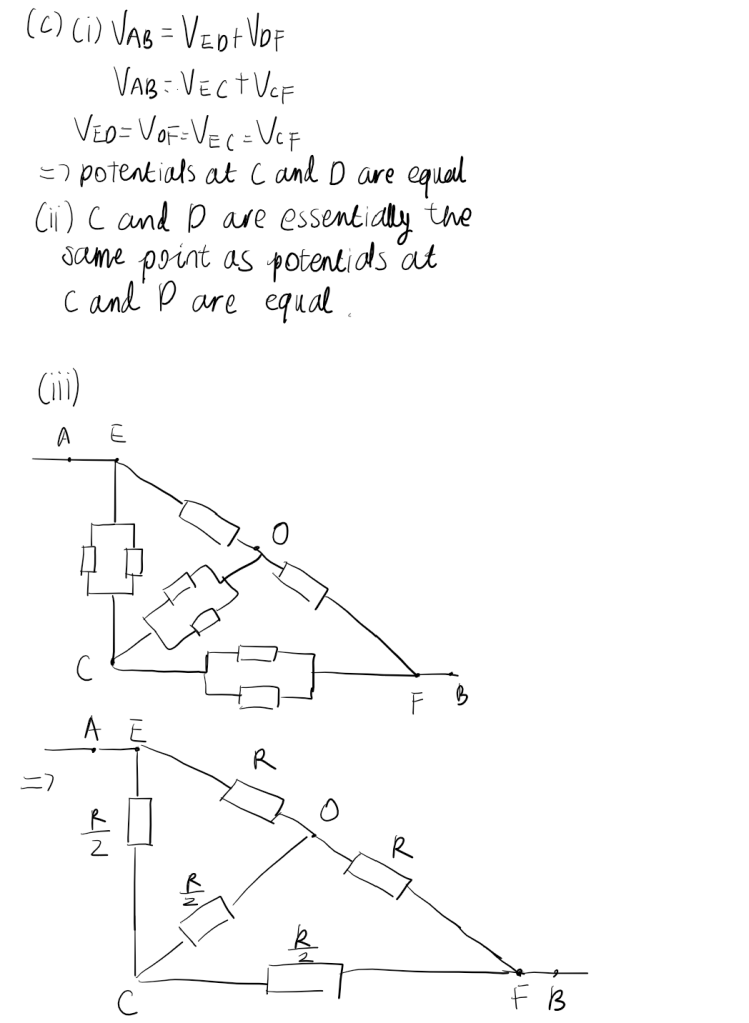
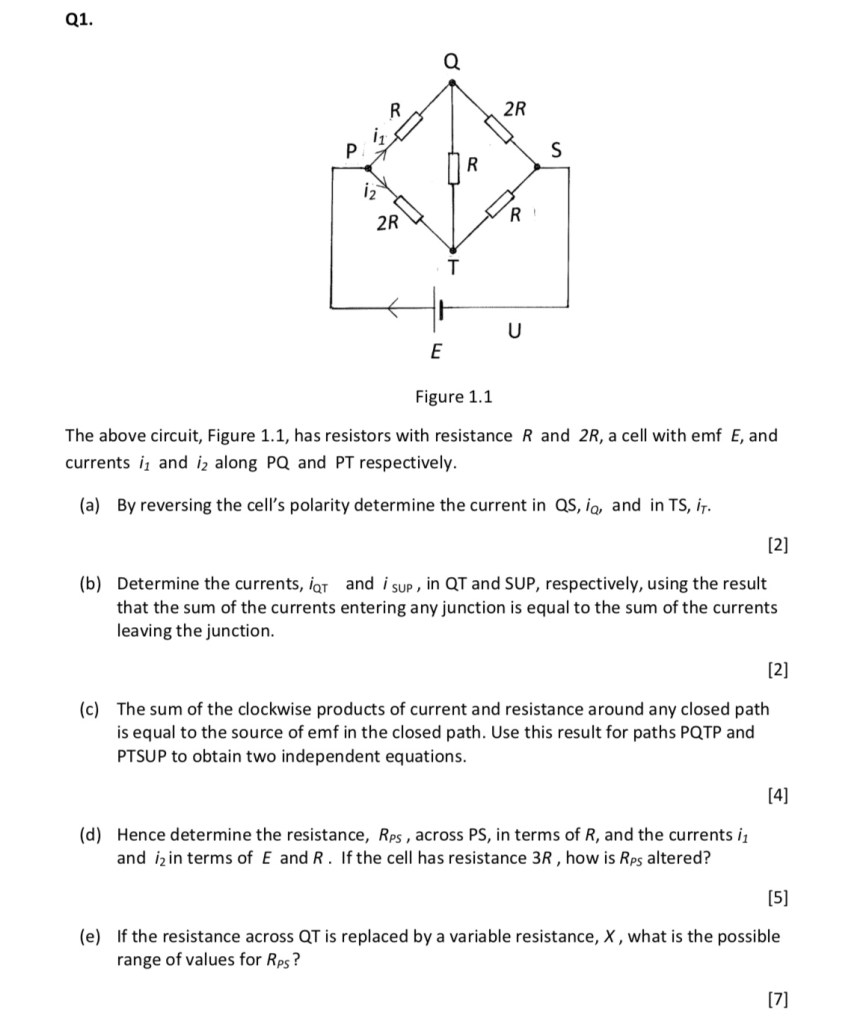
BPhO 2013 R1 Section 2 Q1
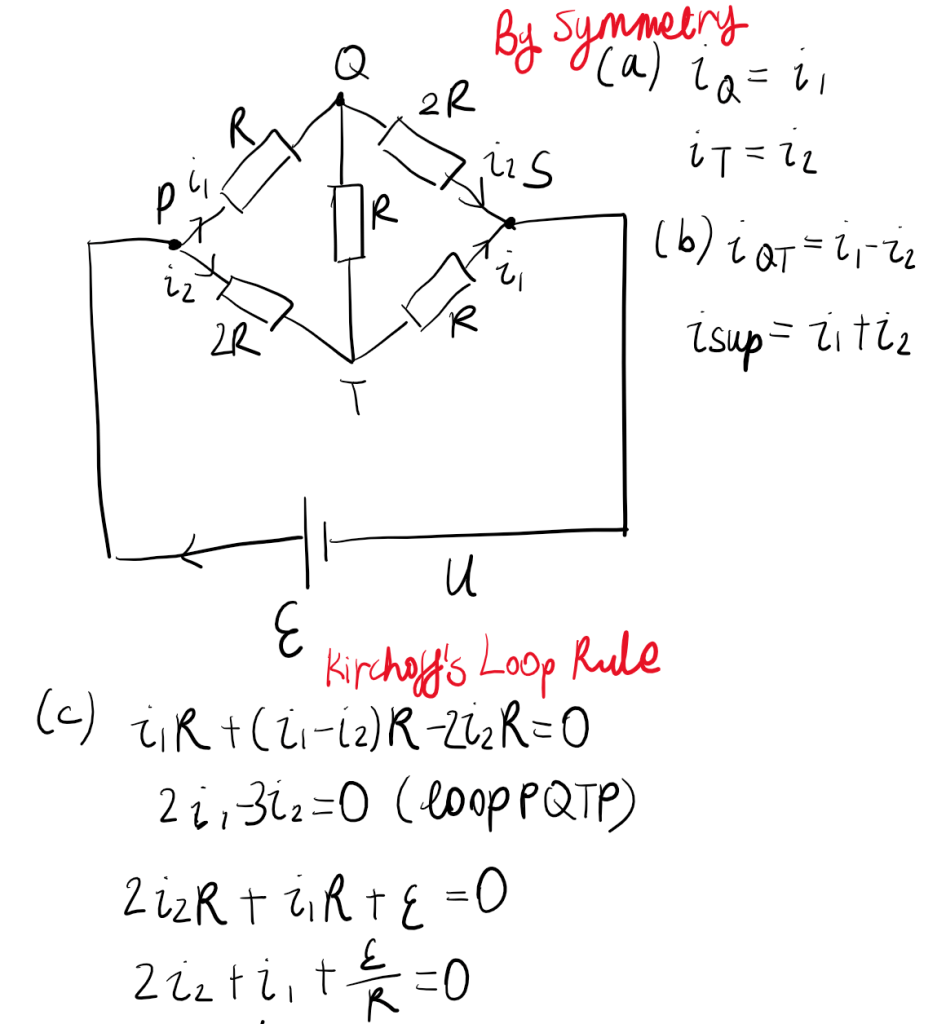
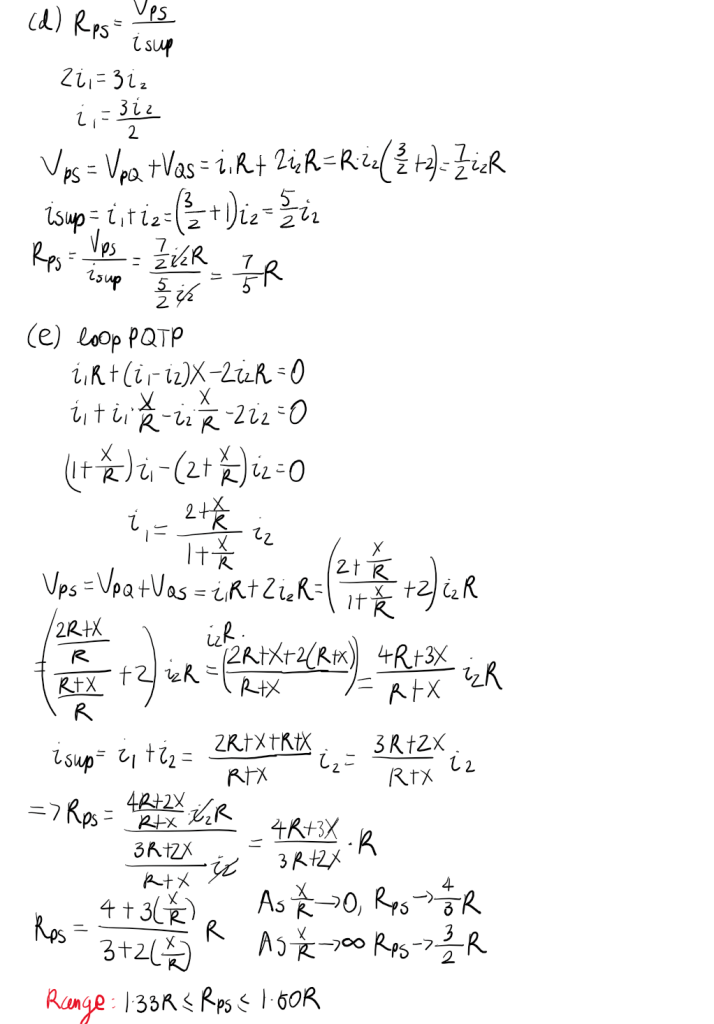
My solutions:
 Physics 2.0